

Posted on

Backlink Packages Price Guide for Smarter SEO Spending

featured image for article about backlink packages price

If you’ve been shopping around for links, you’ve probably seen a wide range of offers. Some backlink packages promise hundreds of links for under $50. Others charge thousands for just a handful. The question is, what’s the real difference? And what should a backlink packages price actually look like if you care about quality?

Let’s break it down.

Why Prices Vary So Much

illustration of SEOs calculating the price of backlink packages

There’s no standard for backlink pricing because not all links are the same. Some are built manually on high-traffic websites. Others are placed on expired blogs with no audience. That’s why one backlink packages price can be ten times higher than another.

Here’s what usually drives cost:

  • Link type: Editorial links cost more than directory or forum links.
  • Domain quality: Higher domain ratings, real traffic, and clean backlink profiles mean higher prices.
  • Content: If the package includes writing custom articles, expect that to be factored in.
  • Outreach effort: Manual outreach takes time. Automation is cheaper, but riskier.

The more legitimate the process, the higher the cost. That doesn’t mean cheap packages are always bad, but it does mean you need to know what you’re getting.

Common Backlink Package Tiers

illustration of woman looking at pricing tiers for backlink packages

Most vendors group their services into pricing tiers. Here’s what a typical backlink packages price might look like depending on the type of link you’re buying:

Low-cost packages ($10–$100)
Expect directory links, Web 2.0 profiles, blog comments, or forum posts. These are basic links with low authority, used mostly for diversity.

Mid-range packages ($100–$500)
You’ll start seeing guest posts, niche edits, and real site placements here. Quality varies, but if the provider includes content and site selection, this is where value starts to show up.

High-end packages ($500+)
These usually include editorial links from high-traffic websites, full content creation, manual outreach, and reporting. This is what larger businesses and SEO agencies pay for when they want hands-off, safe link building.

Keep in mind, a higher backlink packages price doesn’t always mean better results. You still need to look at relevance, placement, and strategy.

What to Look for Before You Buy

photo of man looking at backlink packages on the computer

Don’t base your decision on price alone.

Ask these questions before you place an order:

  • Are the links built on real sites with actual traffic?
  • Does the package include written content or is it link-only?
  • Can you see sample placements before buying?
  • Do they share details on how links are acquired?
  • Is there anchor text variation and topic relevance?

If you can’t get a straight answer to any of these, you’re probably looking at a package built for volume and not quality.

Comparing Backlink Package Prices and What They Actually Cost

If you’re looking at backlink services, you’ve probably noticed one thing right away, that prices are all over the place. You can get 500 backlinks for $5 on Fiverr, or pay $1,000+ for a single guest post from a well-known agency. The question is, what’s the difference? And more importantly, which option makes sense for your site?

Let’s look at how backlink packages price varies across platforms, what each service includes, and how to know what you’re really paying for.

Fiverr, Upwork, and SEOClerks ($5–$100)

screen shot of fiverr and their link building packages

These platforms are filled with low-cost backlink packages. You’ll find sellers promising 100 to 1,000 links for next to nothing. On Fiverr, some packages offer “high DA backlinks” for $10. On SEOClerks, you can buy forum links, blog comments, or profile backlinks starting at $1. Upwork freelancers offer similar services, sometimes with slightly more detail.

But here’s the catch.

Most of these links come from:

  • Free Web 2.0 platforms
  • Automated blog networks
  • Non-indexed sites
  • Link farms with zero editorial control

You’re getting volume, not strategy. If your only goal is to create noise, these links will do it. But if you care about rankings or brand reputation, you need to be careful. A cheap backlink packages price often skips quality control.

Mid-Tier SEO Services ($100–$500)

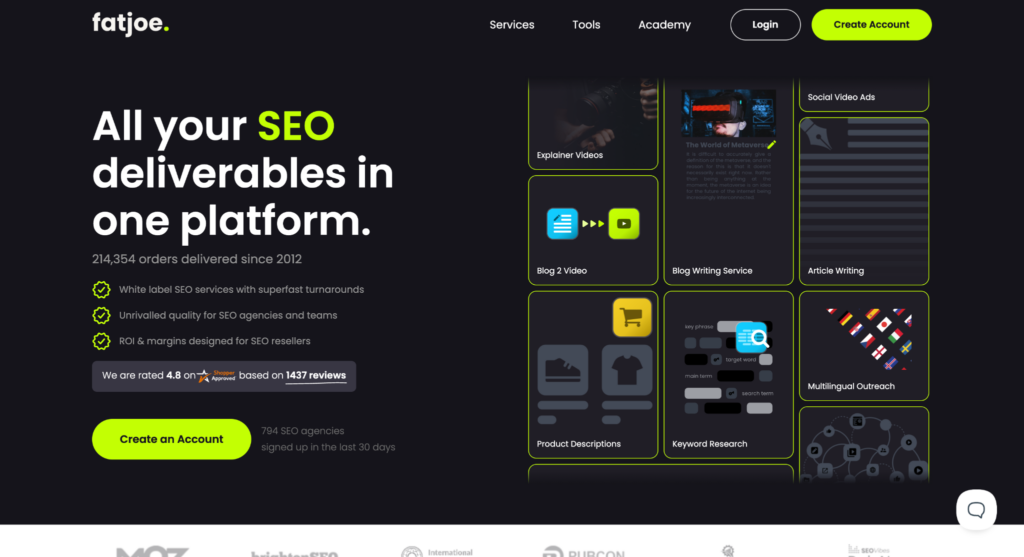
screen shot of fatjoe and their link building options

This is the range where link quality starts to improve. You’ll find niche-specific guest posts, link insertions on existing blogs, and some light outreach.

Some examples:

  • Legiit: Guest posts and niche edits starting around $75
  • Fat Joe: Blogger outreach packages start at $100 per link
  • The HOTH: DA-based packages starting at $200 for a DA30+ guest post
  • LinksThatRank: Outreach-based links priced around $300–$500 per placement

At this level, the links are more relevant, and you usually get content included. Reporting is better. But pricing is still inconsistent. Most of these vendors work with third-party site networks, and the exact placement isn’t always guaranteed.

High-End Link Building Agencies ($500–$2,000+)

screen shot of userp agency and their backlink service

Top-tier agencies charge a premium. You’re paying for strategy, outreach, content, and placements on real authority sites.

Here’s what some of them offer:

  • Siege Media: Custom link building with content marketing, often starting at $5,000/month
  • uSERP: High-authority placements from $500 to $1,500 per link
  • Page One Power: Custom campaigns starting at around $3,500/month
  • Stellar SEO: Manual outreach campaigns starting at $2,500/month

These prices reflect the time it takes to land real editorial links. These agencies do their own outreach, build relationships, and publish on sites with actual traffic and trust.

If you’re managing a serious brand, this kind of backlink packages price makes sense. You’re paying for risk-free SEO growth over shortcuts.

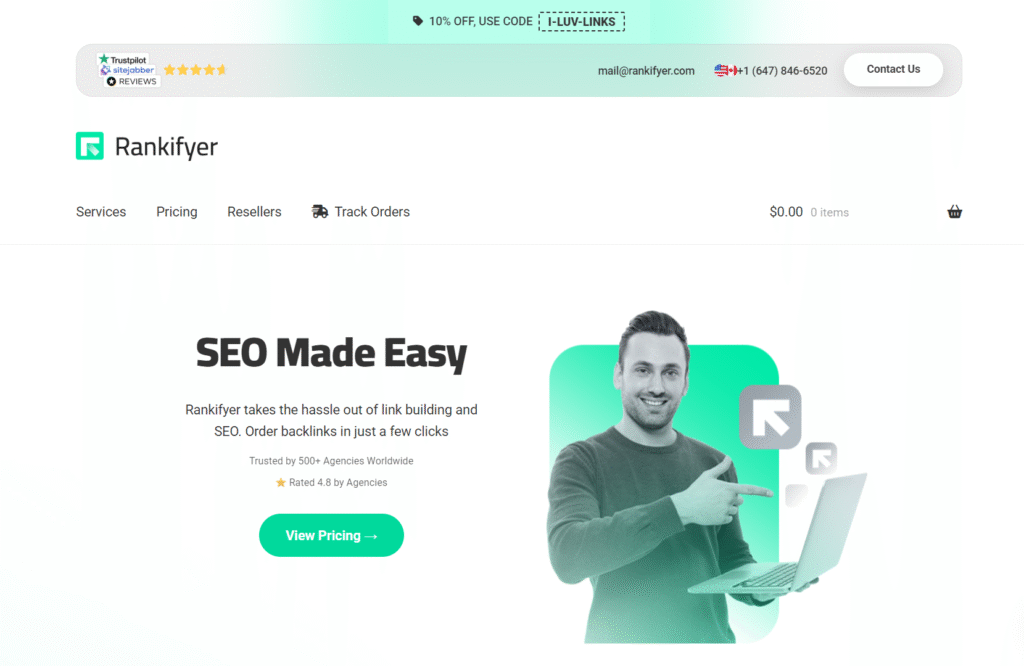
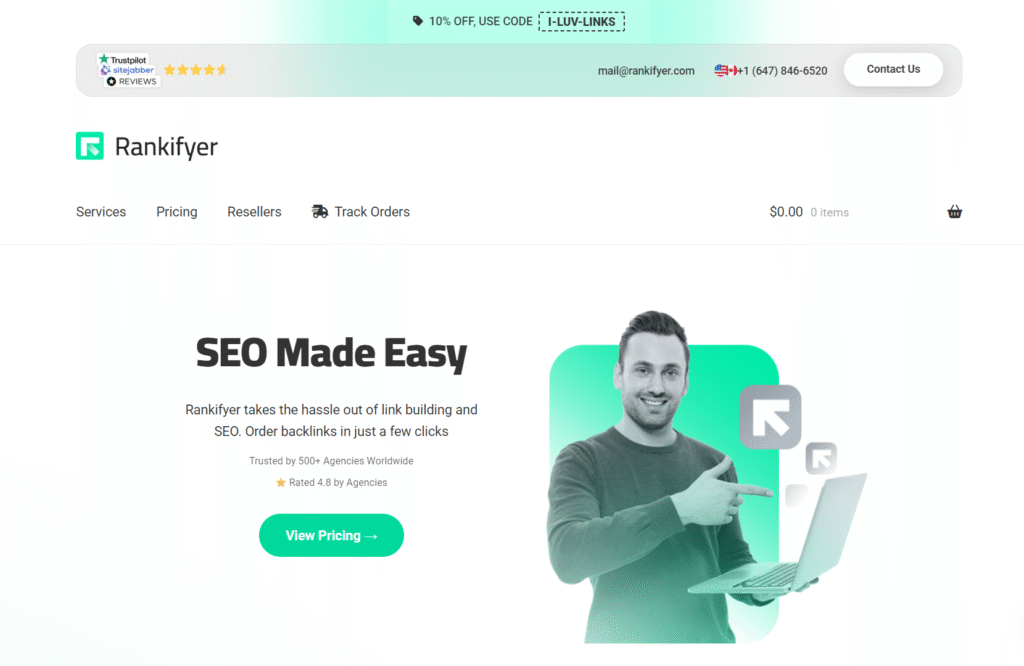
Rankifyer: Affordable Pricing Without Compromise

screen shot of rankifyer and their backlink packages

If you want a balance between affordability and real link quality, Rankifyer offers a middle ground.

Here’s how Rankifyer stands out:

  • Backlink packages price starts low, but every link is placed on a real, indexed site
  • Content is written for you, based on your niche and anchor preferences
  • Manual selection, not spammy automation
  • Detailed reports with live links and site metrics
  • 30% discount for agencies, with white-label reports included

You don’t need to gamble on a $5 Fiverr gig or lock into a $5,000 retainer. Rankifyer lets you order links with the confidence of a managed service, but without the inflated cost.

Rankifyer.com ➡️


Backlink pricing only makes sense when you know what’s included. The real question isn’t how much a link costs, it’s what that link is worth. Low-quality links are cheap for a reason. The best links aren’t cheap, but they don’t have to break your budget either.

Compare more than just price. Compare purpose, placement, and performance. That’s where the real value is.

A low backlink packages price might save you money today, but a bad link profile can cost you more in the long run. Focus on clarity, quality, and trust. That’s what turns link building into rankings and rankings into traffic.

Posted on

Is a PBN Backlink Service Worth It? Here’s the Real Risk

feautred image for article about pbn backlink service

If you’re considering using a PBN backlink service, you’re probably looking for a fast way to boost rankings. On the surface, it sounds good. Private Blog Networks promise high metrics, quick results, and low effort.

But before you spend money, it’s worth understanding how these networks work, what the risks are, and whether they’re actually helping or hurting your SEO.

Using a PBN backlink service used to be the go-to move when you needed fast rankings. But things have changed. Google’s smarter, penalties are harsher, and short-term gains often turn into long-term headaches.

If you’re still thinking about paying for links from a private blog network, here’s what you need to know before making the call.

What Is a PBN Backlink Service?

A PBN backlink service sells backlinks from a network of websites they control. These sites are usually built using expired domains that once had real authority. Sellers create content, insert your links, and publish it across their network.

The appeal is obvious: you get backlinks from aged domains, often with high domain ratings, without doing any outreach or content promotion.

That’s why PBNs became popular.

But there’s a problem.

Why SEOs Still Use PBNs

illustration of seos using pbn backlink service

Even with all the risks, PBN backlink services are still popular.

Here’s why:

  • They deliver fast results with no outreach.
  • You can use exact-match anchors.
  • Placement is guaranteed.
  • There’s no back-and-forth with editors.

SirLinksalot is one seller that has become popular for selling PBN links. For SEOs working in hard-to-crack niches like gambling or adult, white-hat link building isn’t always practical. PBNs offer control, which is rare in organic SEO.

That’s the draw. But here’s the catch.

Why PBNs Are Risky

illustration of declining business representing pbn backlink risks

Google doesn’t like PBNs. In fact, they’ve said so clearly.

Here’s why:

  • The sites aren’t created to serve users. They exist only to pass link value.
  • The content is usually low quality or spun.
  • The links are paid for, not earned.
  • The network often leaves patterns behind that are easy to detect.

If Google finds a PBN, they can deindex the entire network. That means the link you paid for disappears, and your rankings could drop with it.

Using a PBN backlink service means you’re putting your domain at risk. You might not see it right away. Some links may help short term. But when the network gets caught, the damage hits fast. LinkBuilder.io has a great piece on the risks of PBN backlinks if you’d like to dive deeper.

A PBN backlink service can work short term. But long term? It’s a gamble.

Here’s why:

1.   Google is catching up
SpamBrain, Google’s AI-powered detection system, is better than ever at spotting unnatural links. You won’t always get a manual penalty. Sometimes Google just ignores the link completely.

2.   Sites get deindexed
When a PBN gets discovered, the entire network often disappears from Google. Your link goes with it.

3.   Buyers don’t trust PBN-backed sites
If you plan to sell your site one day, a backlink profile propped up by PBNs will tank its value. Serious buyers want clean links they can trust.

4.   It’s expensive to do right
Buying a single expired domain with a clean link profile can cost thousands. Running the hosting, writing unique content, and keeping each site looking real adds up fast. The cheap Fiverr packages? Those usually aren’t built right.

How to Spot a PBN Backlink Service

illustration image of an seo selling pbn backlink services

Not all PBN backlink services are upfront about what they offer. Some try to hide the fact that they’re using a network. Others disguise it with better-looking content or branded websites.

Here are a few red flags:

  • You’re not allowed to choose the domain
  • All links come from sites with similar design or content
  • There’s no traffic, no engagement, and no ranking pages
  • The site has no real purpose except publishing backlinks
  • Every page is filled with outbound links

If you see these signs, it’s probably a PBN, even if the seller calls it something else.

Are There Safe Ways to Use a PBN Backlink Service?

Some SEOs still use PBNs in tiered link building or for testing. But even in those cases, they’re careful. They build the network themselves. They control the hosting, IPs, content, and link structure.

If you’re buying from a public PBN backlink service, you don’t have that control.

That’s where the risk comes in.

Unless you understand how to mask footprints, rotate content, and isolate domains, it’s not worth it. Especially when safer alternatives exist. Semrush actually has a piece on if PBNs actually work, which might be worth reading.

SirLinksalot, being a popular seller of PBN links, offers some insight on their YouTube channel on whether you should use PBN links to rank.

Safer Alternatives to PBN Backlinks

person jumping to other side representing alternative to pbns

You don’t need to risk your rankings to build links.

Here’s what to do instead:

1.   Guest posts on real sites
Not sponsored blogs. Not low-quality article farms. Look for niche-relevant websites with traffic, real content, and active readers.

2.   Foundational links
Use citations, branded profiles, and directories to build trust. These don’t move rankings fast, but they help build a natural profile.

3.   HARO and journalist platforms
Contribute insights to reporters looking for sources. These links come from news outlets, blogs, and SaaS platforms that are trusted by Google.

4.   Niche edits on real blogs
Get your link placed into existing content on active, relevant blogs. This gives you context, trust, and better indexing.

5.   Use Rankifyer for white-hat link building
If you want links that actually help and don’t come from a PBN, Rankifyer is a solid option. They place links on real sites, with content written by their team. You get transparency, clean reporting, and pricing that doesn’t require an agency budget.
Rankifyer.com ➡️


A PBN backlink service might look like a shortcut, but it’s one with a price.

If you’re building a long-term site, managing SEO for clients, or trying to protect your domain’s reputation, it’s not worth it.

Control and convenience are tempting. But real links from real sites still win. Use methods that last. The quick boost isn’t worth the crash.

If you’re building a long-term site or managing client SEO, the risk isn’t worth the short-term boost. Stick with methods that work today and won’t backfire six months from now. Safe links take more work, but they keep your rankings.

Posted on

10 Link Building Experts Reveal Their Go-To Strategy

featured image for article about link building experts

If you’ve ever searched for advice from a link building expert, you already know there’s a lot of noise. Everyone’s got a “secret tactic” or “proven system.” But most of it either stopped working years ago or only works in theory.

That’s why this guide is different. Real tactics from people who actually do this for a living.

These are real strategies from people who are known in the SEO space. Each one has built links that actually improved rankings, not just boosted link count. Whether you’re doing outreach yourself or hiring someone, these are the tactics worth paying attention to.

1. Brian Dean – Create Skyscraper Content

portrait image of Brian Dean a link building expert
Portrait of Brian Dean

Brian Dean, founder of Backlinko, popularized the Skyscraper Technique. It’s simple: find content that already has backlinks, then create something better. After that, reach out to sites linking to the original and suggest your improved version.

This strategy works because it combines quality content with targeted outreach. Brian used it to build thousands of backlinks, including from sites like HubSpot and GoDaddy.

2. Neil Patel – Focus on Building Relationships

portrait image of Neil Patel a famous link building expert
Portrait head shot of Neil Patel

Neil’s link building advice goes beyond the link itself. His strategy involves connecting with people in your niche through helpful content, interviews, podcasts, and email.

Instead of cold pitching, he builds real relationships first. Then when a link opportunity shows up, it doesn’t feel forced. This takes longer, but it results in higher authority placements with less resistance.

3. Gael Breton (Authority Hacker) – Get Links From Guest Post Footprints

photo of Gael Breton and a screen shot of his agency Authority Hacker
Screen shot of Authority Hacker, an agency led by Gael Breton

Gael looks for websites that already accept guest posts by reverse-engineering competitors’ backlink profiles. Once he finds them, he pitches something more in-depth or from a new angle.

He doesn’t mass email. He targets editors with something they actually want to publish. If you’ve ever asked a link building expert how they find real sites, this is how.

4. Matthew Woodward – Use Data-Driven Outreach

Portrait image of Matthew Woodward
Portrait head shot of Matthew Woodward

Matthew recommends using data or case studies in your outreach. When you can back up your claim with a real result, site owners take your pitch more seriously.

Whether it’s email open rates, traffic growth, or SEO improvements, proving your value before asking for a link makes the pitch stronger.

5. Nathan Gotch – Build Foundational Links First

portrait of Nathan Gotch
Portrait head shot of Nathan Gotch giving advice on his blog for ranking content

Before scaling outreach, Nathan focuses on basic links: citations, niche directories, and branded profiles. These aren’t powerful on their own, but they help establish a natural link profile.

It’s the groundwork that makes later outreach more effective. A link building expert knows it’s not just about how many links you build, but how balanced your backlink profile looks to Google.

Knowing about internal linking is also a great starting point and Nathan actually touches on that topic in his Internal Linking 101 guide, it’s worth checking out.

6. Eric Ward – Focus on Link Earning, Not Just Link Building

Eric, one of the early voices in link strategy, emphasized content that earns links naturally. That means publishing something useful and shareable without even asking for backlinks.

This could be research, how-to guides, or free tools. The key is to create something that people want to reference. That’s still one of the strongest long-term strategies used by real experts.

7. Mark Webster (Authority Hacker) – Don’t Ignore Niche Edits

Mark regularly talks about niche edits, which involves adding links to existing content on real blogs. Done correctly, these links are powerful and natural-looking.

The mistake most people make? Inserting links into irrelevant content. A link building expert makes sure every link is contextually appropriate and written in naturally.

8. Marie Haynes – Avoid Manipulative Tactics

Marie focuses on Google’s guidelines. She warns against tactics that rely on manipulation, including overusing exact-match anchor text or building links too fast.

Instead, she suggests earning editorial links and using PR-style outreach. If you want long-term rankings without penalties, this is the kind of advice to follow.

9. Julian Goldie – Use HARO the Right Way

Julian shares daily pitches on HARO and similar platforms to get quoted by journalists and bloggers. His rule: short, clear responses that deliver value fast.

He doesn’t try to sound impressive. He answers the question directly and links to helpful content. That’s how he builds backlinks from major news outlets and blogs consistently.

10. Paddy Moogan – Build Link-Worthy Assets First

Paddy is known for creating content assets like tools, reports, or visual guides before starting outreach. He focuses on value before volume.

Once the asset is live, his team contacts publishers who would benefit from it. This flips the usual order. The asset does most of the work. That’s why it gets shared without needing a pushy email.


photo of a link building expert working on a computer

If you want to think like a link building expert, start by stealing the right ideas. These strategies aren’t based on guesswork or bulk tactics. They come from people who’ve tested what works and tossed what doesn’t.

There’s no single way to build links. But if your strategy doesn’t involve relevance, value, and actual effort, it probably won’t last. Focus on what earns trust, not just clicks. That’s what makes a link expert’s approach different.

Posted on

Cheap Backlinks Service Options That Don’t Hurt Rankings

featured image for article about cheap backlink services

If you’re thinking about using a cheap backlinks service, you’re not alone. The idea of boosting rankings without spending much is appealing. But there’s a difference between saving money and wasting it.

Let’s break down what a cheap backlinks service really offers, what to watch for, and how to pick one that actually helps your SEO instead of hurting it.

What Counts as a Cheap Backlinks Service?

image of woman on computer ordering cheap backlink service

A cheap backlinks service usually promises links for a low price. You’ll see packages offering dozens or even hundreds of backlinks for under $50. These services focus on volume, not strategy.

Some common examples include:

  • Web 2.0 links from platforms like Medium or Blogspot
  • Forum comments with keyword-rich anchor text
  • Directory submissions across dozens of sites
  • Private blog networks that reuse the same domains repeatedly

You’ll get links. But not always the kind that improves rankings.

What You’re Actually Paying For

The reason these services are so cheap comes down to this: automation and scale.

Most providers:

  • Use software to create links in bulk
  • Rely on pre-built lists of sites
  • Insert your link into low-traffic or irrelevant content
  • Offer little to no customization

That means you’re not buying strategy. You’re buying output. And sometimes, the links can do more harm than good.

Risks of Going Too Cheap

vector illustration of the risks of cheap backlinks

Not all cheap backlinks are dangerous. But many are.

Here’s what to watch out for:

  • Spammy link farms with no traffic or authority
  • Unnatural anchor text patterns that get flagged
  • Links on unrelated sites that confuse search engines
  • Duplicate content or spun articles that lead to penalties

If you’re managing a real brand or client site, one bad link package can take weeks to clean up.

How to Choose a Safe Cheap Backlinks Service

photo of a cart and save text representing cheap backlinks

If your budget is tight, you can still get useful backlinks. You just need to be selective.

Look for services that:

  • Show real examples of where links are placed
  • Include written content, not just raw links
  • Offer reporting and transparency
  • Focus on relevance, not just link count

The best services don’t promise 1,000 backlinks in 24 hours. They deliver consistent results from real placements that make sense for your niche.

Where to Find a Cheap Backlinks Service (Without Risking Your Rankings)

If you’re looking for a cheap backlinks service, you’ve probably seen hundreds of offers across freelance sites. Some look legit. Others feel shady. And most of them promise more than they deliver.

Let’s look at where people buy cheap backlinks, what those services actually offer, and why using a structured agency like Rankifyer makes more sense if you want results without surprises.

Marketplace Options for Cheap Backlinks

There are three places most people turn to when searching for a cheap backlinks service:

#1 Fiverr

screen shot of Fiverr

Fiverr sellers offer thousands of backlink packages, often for $5 to $50. The listings usually include terms like “100 backlinks,” “fast delivery,” or “SEO boost.” They’re popular because they’re cheap, quick, and easy to order.

#2 SEOClerks

screen shot of SEO Clerks

This platform focuses on SEO services. You’ll find even cheaper backlink packages here, sometimes offering hundreds of links for under $10. That price sounds great, but most of the links come from low-quality directories, expired blogs, or automated spam tools.

#3 Upwork

screen shot of Upwork

Upwork is a freelance marketplace where link builders pitch hourly rates or project fees. The pricing is more varied. Some offer real outreach. Others still rely on mass submissions or spun content to keep costs low.

These platforms give you options. But if you’ve ever ordered from them, you already know that quality is inconsistent. Some links help. Most don’t.

Why These Services Are So Cheap

There’s a reason a cheap backlinks service from these platforms costs so little.

Here’s how most sellers keep prices low:

  • They use the same list of sites for every client.
  • They automate submissions using backlink software.
  • They offer volume, not strategy or customization.
  • The links are placed in content that no one reads or visits.

That might build link numbers, but it doesn’t move rankings. Worse, it can actually hurt your site if the links come from flagged domains or irrelevant content.

Why Rankifyer Is a Better Option

screenshot of rankifyer for cheap backlinks service

If you still want a cheap backlinks service, but don’t want to waste your budget, Rankifyer gives you a safer alternative.

Rankifyer.com ➡️

Here’s how Rankifyer is different:

Transparent pricing
You know exactly what you’re getting before you order. No hidden upsells. No vague descriptions. Just clear packages with clear deliverables.

Real websites, not link dumps
Every backlink is placed on a real site with real content. These aren’t auto-generated pages or spun blogs.

Content included
Rankifyer writes the content for you. That means your link fits naturally in a relevant post. You don’t need to supply anything or worry about formatting.

Affordable, not cheap
Rankifyer doesn’t offer bulk spam. But their prices are still far below most SEO agencies. You get expert-built links at a rate that’s actually doable for small businesses, resellers, or startups.

White-label ready
Agencies can resell Rankifyer’s work without edits. Every report and deliverable is white-labeled and clean.

a savings jar representing cheap backlinks service

Here’s a summary of what makes Rankifyer different from random Fiverr gigs:

  • Transparent pricing with clear deliverables
  • Backlinks from real sites with real content
  • Custom-written articles included in every order
  • No automation, no junk domains, no shortcuts
  • Affordable rates that stay below most agency pricing

You don’t need to guess where your links came from or worry about getting flagged. Every order comes with a clean report and placements you can actually review.


A cheap backlinks service can help you build a foundation, diversify your profile, or support your outreach. But only if the links are real, relevant, and placed with care.

If you’re spending money to build backlinks, even at a low price point, the goal should be safety, clarity, and long-term value. That’s what separates a quick boost from a smart investment.

There’s nothing wrong with saving money. But if you’re serious about results, a cheap backlinks service has to do more than push volume. Fiverr and SEOClerks are fine if you want basic diversity. Just don’t expect rankings.

Rankifyer gives you the middle ground. It’s affordable, proven, and designed to help your site grow without cutting corners. You can see what you’re buying, track what you get, and keep your SEO clean. That’s the kind of cheap that actually works.

Posted on

How to Outsource Link Building: Steps to Follow

featured image for outsourcing link building article

Trying to scale outreach, pitch high-authority sites, and write solid content on a weekly basis is a full-time job. For most teams, that’s not realistic. That’s why many marketers choose to outsource link building. The right service can save time, improve results, and free up your schedule. But not all outsourcing is built the same.

If you’re looking to outsource link building, here’s what actually works and what you should avoid.

Why Businesses Choose to Outsource Link Building

business man happy after outsourcing link building

Link building is time-consuming. From prospecting and outreach to negotiating placements and writing content, it drains internal resources fast. Outsourcing removes most of the workload and shifts the focus back to growth.

When you outsource link building to a solid partner, you gain:

  • Scalable access to quality sites
  • Ready-to-publish content written for SEO
  • Links that match your niche and target pages
  • Consistent volume without burning out your team

But that only happens if the provider knows what they’re doing.

Why Agencies Should Outsource Link Building

image of an agency in a meeting considering outsourcing their link building

For agencies, outsourcing isn’t just about saving time. It’s about bandwidth, profit margins, and client results.

Here’s why agencies outsource link building:

  • Scalability. Handling 5 clients is doable in-house. Handling 25 isn’t.
  • Predictable margins. Agencies get discounted rates from providers, allowing for markup and resale.
  • Client satisfaction. Fast delivery and consistent rankings lead to longer retention.
  • Specialization. Instead of trying to do everything, agencies can focus on reporting, strategy, and client service while the link work runs in the background.

Outsource link building through the right provider and your agency becomes faster, leaner, and more profitable.

What to Look For in a Provider

There are hundreds of vendors that claim to build “white hat links” or have a “network of bloggers.” Most of that is meaningless without proof. If you’re going to outsource link building, you need to be selective.

Here’s what actually matters:

  • Niche relevance. Every link should come from content that matches your industry or topic.
  • Real websites, not PBNs. Check the site’s traffic and content history. If it’s filled with unrelated topics and has no real audience, skip it.
  • Dofollow placements. Nofollow links can be part of a natural profile, but dofollow is where the SEO value sits.
  • Manual outreach. Good providers have systems for cold outreach and relationship-building, not just link drops.

Reputable services usually provide a sample list or report of past placements. That’s where you’ll see if the quality matches the pitch.

How to Structure a Link Building Campaign

When you outsource link building, there’s usually a campaign setup process. You choose the target URLs, provide the preferred anchor text, and set your niche or industry focus. From there, the provider handles:

  • Site selection
  • Outreach and negotiation
  • Content writing
  • Placement and reporting

You should receive a report showing each live link, the domain authority, and the anchor text used. If that’s not included, it’s a red flag.

Common Mistakes to Avoid

illustration representing what to avoid when outsourcing link building

Outsourcing doesn’t mean losing control. Some teams get burned because they pick cheap providers or don’t vet the links being placed.

Here’s what to watch out for:

  • Low-quality sites with inflated metrics. Some sites use expired domains to appear authoritative. Check for real traffic.
  • Duplicate content. If the content is reused or spun, your site can be penalized.
  • Irrelevant placements. A finance site getting links from a pet blog is a wasted opportunity.
  • Lack of reporting. If you don’t get to see where your links are placed, don’t continue.

Outsource link building to someone who treats your campaign with care. Anything else leads to penalties, wasted spend, or rankings that never move.

Three Recommended Link Building Providers

If you’re looking to outsource link building and want quality, consistency, and transparency, here are three providers worth considering:

1. Rankifyer

screen shot of Rankifyers website

Rankifyer is built for agencies, resellers, and business owners who need reliable link building without the hassle. Every link comes with content, outreach, placement, and a detailed report. Agencies get a 30% discount and access to a live dashboard. No hidden pricing, no meetings, just clear deliverables and trusted support. Their directory of guest post sites is also publicly viewable before you buy.

2. The Hoth

screen shot of the hoth website

One of the more established providers in the industry, The Hoth offers tiered link building services with bulk options. Their managed campaigns help agencies run full-scale SEO while reselling under their own brand. Turnaround is consistent, and reports are easy to understand.

3. Loganix

screen shot of loganix website

Loganix focuses on high-quality links from reputable sources, including niche edits, guest posts, and local citations. They’re known for clean outreach and strict quality checks. Their pricing is higher than most, but the links are solid and trusted by many SEO consultants.

When to Start Outsourcing

You should outsource link building when:

  • You’ve published strong content that’s worth linking to
  • You have a clear SEO plan but not enough resources
  • You’ve done outreach yourself and hit a ceiling
  • You want to scale faster without sacrificing quality

If your content is weak or your site is brand new, focus on foundational improvements first. But if you have momentum, outsourcing helps you push further.

Best Practices for a Strong Partnership

Treat your provider like an extension of your team. Set clear expectations, ask for transparency, and review each link. You don’t need to micromanage every detail, but you should be involved in strategy.

The best results come when you align your goals with their process. Good providers appreciate that and deliver better work because of it. See Semrush’s article on how to outsource SEO, it covers the basics of outsourcing and finding the right partnership for your business or agency.

Outsource link building with the same care you’d hire for any critical role. The right choice can drive long-term rankings, authority, and traffic. The wrong one wastes months of budget without moving the needle. Choose wisely, stay involved, and review every link. That’s how you get it right.

Posted on

5 Best Places to Buy Backlinks in 2025

featured article image for best places to buy backlinks

Finding the best place to buy backlinks can make or break your SEO strategy. Some providers promise thousands of links overnight, but those usually come from spammy blogs, irrelevant pages, or sites that exist only to sell links. None of that will help your rankings. In most cases, it does the opposite.

If you want results, you need backlinks from real websites with real traffic. That means relevant content, clean metrics, and placements that actually help your site build authority.

Here’s how to identify the best place to buy backlinks based on what works now.

Outreach-Based Backlink Services

Manual outreach remains one of the most trusted ways to build links. These services pitch real publishers, provide quality content, and secure placements that blend naturally with the article.

This isn’t about blasting emails or buying from link farms. You’re getting editorial links from relevant domains. The process takes longer but the links are stronger.

If you’re searching for the best place to buy backlinks that won’t harm your domain, start with a provider focused on outreach, not automation.

Guest Posting on Real Blogs

vector illustration of bloggers connecting for backlinks

Guest posts still offer solid SEO value, but only when placed on active sites that publish quality content. These should not be generic blogs accepting every post they receive. You’re looking for sites within your niche that already have rankings and traffic.

The best place to buy backlinks through guest posting will provide:

  • Domain metrics before purchase
  • Content that is well-written and original
  • Contextual placement within the body of the article Anything less is not worth your budget.  Curated Link Marketplaces

Some providers offer a list of pre-approved websites where you can choose where your link will go. These marketplaces can be helpful if you’re experienced and know how to vet domains.

The best place to buy backlinks through marketplaces will allow you to:

  • See the full domain URL before placing an order
  • Check traffic estimates, topical relevance, and spam scores
  • Confirm that the site is indexed and not part of a network

Avoid any marketplace that hides domain names until after purchase or refuses to provide traffic stats.

White Label Solutions for Agencies

photo of agency group working on link building

Agencies need scale without sacrificing quality. The best place to buy backlinks for agency use will have a white-label option. That means clear deliverables, trackable order history, and quality control handled by the vendor.

Expect full reports with live links, anchor text, referring domains, and domain metrics. You should also have the option to upload your own content or let the provider write it for you.

If a provider offers no control over quality or tries to upsell you without proof, move on.

Link Insertions in Existing Content

Link insertions, often called niche edits, involve placing your link in content that’s already indexed and aged. These are fast to deploy and carry strong SEO signals when done correctly.

The best place to buy backlinks through niche edits will review the content first. Your link should fit the topic and add value. No shoehorning. No forced anchor text. Everything should look natural to both readers and Google.

Sites with active editorial teams and existing backlinks to the article are ideal targets.

Ranking The Best Places to Buy Backlinks

If you’re serious about building authority with real links, the source matters just as much as the strategy. Here are the best places to buy backlinks right now, ranked by quality, transparency, and results.

1. Rankifyer

screen shot of Rankifyer website ranked as number 1 for the best place to buy backlinks

Rankifyer is the best place to buy backlinks for businesses, agencies, and SEO professionals who want real results without guessing. Every link is placed through manual outreach on niche-relevant websites with organic traffic.

What sets Rankifyer apart:

  • Fully white-label service with agency discounts
  • No site networks or recycled placements
  • Detailed reports with anchor text, live URLs, and domain metrics
  • Content, outreach, and site selection handled entirely in-house

Whether you’re ordering one backlink or managing dozens of campaigns, Rankifyer gives you full control, fast turnaround, and placements you can trust.

2. Authority Builders

screen shot of Authority Builders website ranked as number 2 for the best place to buy backlinks

Authority Builders offers guest post links on real sites. You can filter by niche, traffic, and domain authority. While pricing is premium, the platform gives you visibility into the available domains before you buy.

Best for SEO professionals who want to handpick their link placements without handling outreach themselves.

3. The HOTH

screen shot of The HOTH website ranked as number 3 for the best place to buy backlinks

The HOTH provides scalable backlink services including guest posts, link insertions, and press releases. Their dashboard makes order tracking simple, and they offer clear tier-based pricing.

It’s a viable option for agencies managing multiple small to mid-size campaigns, though some links may lack niche relevance if not specified.

4. Loganix

Loganix specializes in clean, high-quality links with strict vetting. Their packages include guest posts and local citation building. While the pricing is higher than most, the service is consistent and tailored toward agencies or consultants focused on quality control.

Their detailed reports and strict placement guidelines make them a trusted option for safer backlink acquisition.

5. Stellar SEO

Stellar SEO offers customized link building campaigns, often starting with a strategy session. Their team handles outreach and content creation but does not operate as a self-service platform. This is ideal for businesses that want a managed approach with long-term results in mind.

Signs of a Bad Link Seller

vector illustration representing mistakes to avoid in link building

Knowing where not to buy is just as important as knowing the best place to buy backlinks.

Watch out for:

  • Bulk offers with no site details
  • Links from unrelated blogs
  • Guaranteed rankings
  • No reporting or anchor control
  • Low prices that don’t match the quality promised

You can’t fake authority. If it feels too easy or too cheap, it probably is. Ahrefs has a helpful piece on the types of bad links to avoid.

The best place to buy backlinks is a provider that prioritizes relevance, transparency, and clean execution. You want links that are earned, not manufactured. That’s how you build trust with search engines and get results that last.

Posted on

9 Types of Link Building in SEO That Still Work in 2025

featured image showing links coming together to represent the types of link building for seo

If you’re asking how many types of link building in SEO are worth using right now, there’s a short list that continues to drive rankings. Not every method still works, and some have more weight than others. What matters is using the right mix based on your site, your content, and the authority you’re trying to build.

Here are the most effective types of link building in SEO that still deliver real results.

Editorial Backlinks

Editorial backlinks are naturally earned mentions from other websites. These usually appear in articles, blogs, or guides that reference your content as a useful source. They aren’t requested or placed through outreach, which makes them hard to control, but highly valuable.

These links typically come from high-authority domains and carry strong trust signals. When asking how many types of link building in SEO actually move the needle, editorial links are near the top.

Guest Posts

image of journalist crafting an article for HARO type of link building

Guest posting involves writing content for another website and including a backlink to your own. It’s one of the most common and accepted strategies. Publishing on relevant, high-quality websites is crucial.

When done properly, guest posts provide contextual links that blend naturally with the topic. This is still one of the best answers to how many types of link building in SEO are scalable without being spammy.

Resource Page Link Building

Many sites have dedicated pages that link out to useful tools, articles, or references. These are resource pages. The goal here is to find relevant resource pages in your niche, then pitch your content as something worth adding.

Because the page already exists to share links, there’s less friction in the request. If your content matches the theme of the page, this process can be a reliable way to build links at scale.

Broken Link Building

This method involves finding broken or outdated links on someone else’s site, then suggesting your content as a replacement. It requires research, but it works well when paired with high-quality replacement content.

By helping the site owner fix a dead link, you’re providing value while earning a backlink in return. That’s why broken link building continues to be part of the list when reviewing how many types of link building in SEO are worth pursuing.

HARO and Journalist Platforms

Platforms like Help a B2B Writer and Featured.com connect writers and journalists with expert sources. You respond to a request with a short quote or insight. If they like your answer, they include it in their article and link back to your site.

These links often come from major publishers, blogs, or SaaS platforms. You can’t control every outcome, but the opportunities are consistent. If you’re targeting authority links, this is one of the top strategies to consider.

Link Insertions (Niche Edits)

vector image of marketer reaching out for link building

Niche edits involve inserting your link into an existing article on another site. This is different from guest posting, because you’re not writing a new piece. Instead, your link is added where it makes sense within content that already ranks.

This strategy works best when the content is still relevant and gets traffic. Done right, it’s an efficient way to gain contextual links from aged URLs with proven authority.

Directory Listings and Local Citations

These types of links are especially helpful for local SEO. You submit your business to directories that include your name, address, phone number, and a website link. While they don’t carry the same weight as editorial links, they help with consistency and local trust.

If you’re managing local SEO campaigns, these links still play a role. When asking how many types of link building in SEO matter at the local level, citations are still part of the strategy.

Branded Mentions Without Links

HubSpot also touched on this one. Sometimes your brand is mentioned without a link. These are known as unlinked mentions. Reaching out to the site and asking them to link your brand name to your homepage or relevant content can convert these mentions into backlinks.

These opportunities are easier to land because the site already acknowledged you. A simple, polite request often results in a link being added.

Feeler Outreach for Links

Rather than asking for a link in the first message, you send a feeler email. This approach checks whether the recipient is open to seeing your content. If they reply, then you pitch the link opportunity.

Feeler emails often perform better than direct asks. This method increases reply rates and can lead to more placements with less resistance.

There’s no fixed number when asking how many types of link building in SEO are available. The real answer lies in which ones still get results without risking penalties. Semrush has a great piece on the value of different types of backlinks. Focus on editorial mentions, guest content, high-authority placements, and link opportunities that come from value and not automation. These are the types worth your time.

Posted on

Link Building for SEO: The 2025 Beginner’s Guide

link building guide featured image vector of two sites connecting

If you’re reading this, you already know that link building is one of the most critical aspects of SEO. However, it’s also often misunderstood and presents significant challenges. You want your website to rank higher, and you know that link building is a crucial part of that equation. I’m here to break down what you really need to know, step by step, and give you strategies that work today. This guide is your shortcut to understanding link building for SEO in 2025.

By the end of this guide, you’ll have a clear, actionable plan to build high-quality links that significantly improve your website. With years of experience in SEO, I am here to share strategies that will still be effective in 2025.

Here’s what you’ll learn:

  • The basics of link building and why it still matters.
  • How to build links effectively without wasting time.
  • Which types of links actually impact your rankings?
  • The best link-building strategies for 2025.
  • Tools that will make your life easier.

Let’s dive in.


The Basics of Link Building

Links are like votes. When another website links to yours, it tells search engines that your content is valuable. The more high-quality votes you have, the better your chances of ranking higher. But not all links are created equal.

In 2025, Google’s algorithms are smarter than ever. They don’t just count links—they evaluate the quality, relevance, and context of each one. That means your focus should be on earning links from authoritative, relevant websites.


How to Build Links

Link building isn’t about spamming; it’s about creating value and building relationships. Here’s how I approach it:

1. Adding Links

This is the simplest form of link building. You manually add your link to directories, social profiles, or forums. While these links don’t carry much weight, they’re a good starting point for new websites. Think of them as your foundation.

2. Asking for Links

This is where the real work begins. You reach out to website owners and ask them to link to your content. But here’s the catch: you need to offer something valuable. Whether it’s a guest post, a resource they can share, or a collaboration, make it worth their time.

3. Earning Links

This is the gold standard. When you produce something so valuable that people naturally link to it, you’ve achieved success. Think original research, unique tools, or groundbreaking content.


Which Links Move the Needle?

Not all links are equal. Here’s what makes a link valuable in 2025:

1. Authority

Links from high-authority websites (like news outlets or industry leaders) carry more weight. Tools like Ahrefs’ Domain Rating (DR) can help you gauge a site’s authority.

2. Relevance

A link from a website in your niche is far more valuable than one from an unrelated site. For example, if you run a fitness blog, a link from a health magazine is worth more than one from a car dealership.

3. Anchor Text

The text used in the link matters. Natural, descriptive anchor text helps search engines understand the context of the link.

4. Placement

Links within the main content of a page are more valuable than those in the footer or sidebar.

5. Destination

Links to your homepage are great, but links to specific, high-value pages (like a product page or blog post) can drive targeted traffic and improve rankings for those pages.


Best Link Building Strategies for 2025

Here are the strategies I recommend for building high-quality links in 2025:

1. Replicate Your Competitors’ Backlinks

Competitors offer abundant opportunities for link building. Use tools like Ahrefs to analyze their backlinks and reach out to the same websites. If they linked to your competitor, they might link to you too.

2. Create Link-Worthy Content

Focus on creating content that people naturally want to link to. This could be original research, in-depth guides, or unique tools. For example, I once created a study on how long it takes to rank in Google, and it earned thousands of backlinks.

3. Leverage Broken Link Building

Find broken links on relevant websites and suggest your content as a replacement. They fix their site, and you receive a link as a reciprocal benefit.

4. Build Relationships

Networking is key. Connect with influencers and website owners in your niche before you need something from them. When the time comes to ask for a link, they’ll be more likely to help.

5. Promote Your Content

Even the best content won’t earn links if no one sees it. Use social media, email outreach, and paid ads to get your content in front of the right audience.


Link Building Tools You Need

Success in link building isn’t just about effort; it’s also about using the right tools. Here are a few that I recommend:

  • Ahrefs: For analyzing backlinks, finding link opportunities, and tracking your progress.
  • Google Alerts: To monitor mentions of your brand or industry keywords.
  • Hunter.io: For finding email addresses of website owners.
  • Pitchbox: To streamline your outreach efforts.

Here are a few alternative tools worth mentioning:

  • Backlink Checkers: Tools like Ahrefs or SEMrush help you identify opportunities and track your progress.
  • Email Outreach Tools: Platforms like Hunter.io or Pitchbox streamline the outreach process and improve your efficiency.
  • Content Research Tools: Use tools like BuzzSumo to identify what’s trending and what people are linking to in your niche.

What Makes Link Building Essential in 2025?

Link building is still one of the strongest signals search engines use to determine a site’s authority. However, it’s important to note that not all links are created equal. The focus has shifted to quality over quantity. When you learn how to target the right links, your rankings can improve significantly, and you’ll also attract more targeted traffic to your site.


Understanding the Foundations of Link Building

Building links starts with creating connections—literally and figuratively. To get links that help your site, you need to focus on relevance, authority, and proper context. When another website links to your page, it serves as a testament to their trustworthiness. But in 2025, the most valuable links come from high-quality, niche-relevant websites that your audience already trusts.


Practical Strategies for Link Building in 2025

Let’s look at the strategies that I’ve found to deliver consistent results. Whether you’re just starting out or looking to refine your approach, these are the methods to prioritize:

Foundational Link Building

Start with the basics. Secure links from profiles, directories, and review sites that are relevant to your industry. Think major social networks, local business directories, and top-tier review platforms. These might not pack a lot of ranking power immediately, but they create a natural foundation for your website.

Outreach and Relationship Building

Cold outreach works, but relationships work better. Building connections with niche site owners or influencers can lead to link opportunities. Whether it’s a guest post, a collaboration, or a simple mention, people are more likely to link to someone they trust.

Competitor Backlink Analysis

One of my favorite techniques is studying the backlinks of competitors who rank where you want to be. Find out who’s linking to them, then create content or resources that make a better case for earning that link.

Content That Demands Links

Your content needs to stand out. Original research, detailed guides, and innovative tools are some of the best ways to attract organic backlinks. People link to pages that provide exceptional value.

Resource Page Link Building

Find resource pages in your niche and pitch your content as a helpful addition. This is one of the simplest ways to get links from authority websites.

While you’re at it, consider watching this video by Ahrefs if you’re looking for a video guide on beginner link building:


Why Link Building Requires Patience

You’re not going to see results overnight. Search engines take time to recognize new links, and your rankings will improve gradually. But with consistent effort and the right strategies, link building will become a powerful tool in your SEO arsenal.


Final Thoughts

Link building in 2025 isn’t about shortcuts or quick wins. It’s about creating value, building relationships, and earning trust. If you focus on these principles, the links—and the rankings—will follow.

Start small, stay consistent, and don’t be afraid to experiment. And remember, the best links come from creating something worth linking to.

Posted on

How to Get High Quality Backlinks in 2025 (5 Top Strategies)

vector image representing backlink strategies how to get them

If you’re here, you already know that getting high-quality backlinks is critical to boosting your website’s authority and rankings. But with countless dated link-building strategies floating around, it’s tough to figure out which ones are actually worth your time in 2025.

If you’re serious about improving your search rankings, high-quality backlinks aren’t just helpful—they’re essential. I’ve used the strategies I’m about to share to get backlinks from authority sites, which led to noticeable ranking boosts. You’ll learn five proven tactics to get high-quality backlinks, each designed to make a real impact on your site’s authority. I’ve tested several approaches, and I’m sharing five strategies that consistently deliver results in 2025. Follow these, and you’ll be on track to get backlinks that drive real impact.

1. Collaborate with Reporters and Bloggers

vector image illustration representing backlink strategies

One of the fastest ways to get high-quality backlinks is by becoming a trusted source for journalists and bloggers. When you contribute valuable insights, they reward you with backlinks from authoritative sites. I’ve had success using platforms like Help a B2B Writer and similar services that connect businesses with content creators in need of expert input. The key is providing concise, insightful responses—this helps build trust and increases your chances of being cited. Maintaining consistency is crucial, so stay engaged and vigilant for opportunities.

When you want to get high-quality backlinks, connections matter. I’ve secured some of the most valuable links by positioning myself as a reliable source for journalists and bloggers. Services like HARO (Help a Reporter Out) or specialized PR platforms let you respond to content requests from reporters looking for expert opinions. The key here is being concise, providing real value, and building long-term relationships. Over time, these connections will pave the way for consistent backlinks from authoritative sites.

2. Create Link-Worthy “Skyscraper” Content

If you want to consistently attract backlinks, you need content that stands out. I’ve used the Skyscraper method several times, and it works like a charm. Here’s how it goes: Find a high-ranking piece of content in your niche, then create something even better—whether that means more depth, better visuals, or fresh data. After publishing, reach out to sites that linked to the original content. If your piece offers more value, many will gladly link to yours instead.

If you’ve ever heard of the skyscraper technique, you’ll know it’s all about making your content stand out. This method worked wonders for me when I aimed to get backlinks in competitive niches. You start by finding a top-ranking piece of content in your niche, then create something far better—more comprehensive, more engaging, and better formatted. Once you have your skyscraper content ready, reach out to sites linking to the original and suggest your improved version as a superior resource. This approach works because people love linking to the best content available.

3. Build Links by Targeting Outdated Resources

This is a classic but highly effective method. Websites often link to resources that are no longer updated or have moved to new URLs. I search for outdated links in my niche and offer an updated alternative. It’s a simple approach: You give site owners a heads-up about their outdated link and suggest they replace it with your updated content. This method not only helps you get backlinks but also positions you as a helpful, reliable source in your field. This is a topic that Semrush discusses and explains how to use their tool to find broken links easily.

A great way to get backlinks involves tracking down outdated links on high-authority pages and offering an updated alternative. I’ve had success using this strategy by identifying websites that linked to old or obsolete content. You can do the same by finding articles or pages that reference defunct services or outdated studies. Once you spot them, reach out to the site owner and offer your fresh, up-to-date content as a replacement. Not only does this help them improve their content, but it also gets you a valuable backlink.

4. Publish Comprehensive Guides

Ultimate guides are still one of the best ways to attract backlinks naturally in 2025. The idea is simple: Cover a topic in exhaustive detail so that your guide becomes a go-to reference. When done right, others will link to your guide whenever they write about the topic. I’ve seen long-form guides continue to generate backlinks months or even years after publication. Make sure your guide is easy to navigate and packed with actionable insights—that’s what encourages others to share it. This is a topic that Mailchimp discusses and describes it as “content that’s easily linkable.”

Certain content types are naturally better at attracting backlinks. From my experience, formats like data-driven studies, comprehensive guides, and well-crafted infographics tend to perform exceptionally well. Why? Because they provide unique value and are easy for others to reference. Whenever I publish a detailed guide or a report, I make sure it’s something that others in the industry will want to cite in their articles. This tactic alone has resulted in a steady stream of backlinks over time.

5. Leverage Authority Resource Pages

vector image illustration representing how to get backlinks

Authority resource pages exist specifically to provide useful links to readers. These pages are goldmines for backlinks if you can get listed on them. I search for resource pages related to my niche using terms like “useful resources” or “helpful links” combined with my main keywords. Once I find a relevant page, I send a brief email suggesting my content as a valuable addition. It’s a straightforward process, and when done correctly, it yields high-quality backlinks from trusted sites.

Sometimes, getting backlinks is as simple as asking. I’ve seen plenty of instances where someone mentioned my brand or content but didn’t include a link. When that happens, I send a friendly email thanking them for the mention and politely ask if they could add a link to the reference. More often than not, they’re happy to oblige. It’s a straightforward strategy, but it works well for turning unlinked mentions into valuable backlinks.

I’d also recommend watching Brian Dean’s (Backlinko) video on how he gets over 1,000 backlinks every month. I’ve embedded it below and it’s a fantastic resource if you’re looking for additional strategies on building backlinks beyond what I’ve discussed here.

If you stick to these five strategies, you’ll start seeing a steady stream of backlinks in 2025 that actually improve your rankings. Remember, quality always beats quantity. Focus on offering real value, and you’ll naturally attract the kind of links that matter. The process takes time, but the payoff is worth it. Each high-quality backlink strengthens your domain authority, improves your rankings, and helps drive more organic traffic your way.

Posted on

What Are Backlinks in SEO and How Do They Work?

vector image explainer for what are backlinks in seo

When you’re trying to rank a website higher in search results, it’s impossible to ignore the value of backlinks. From my experience, backlinks are one of the biggest contributors to better visibility, higher authority, and ultimately, more traffic. If you’re not actively focusing on constructing high-quality backlinks, you’re probably missing out on significant opportunities.

Let’s break down what backlinks are and how they function to improve your site’s ranking.

What Are Backlinks?

Backlinks are links from other websites pointing to pages on your site. You might hear them called inbound links since they direct traffic from an external source to your page. What makes backlinks so critical is how search engines interpret them—as a signal of trust. Put simply, when a high-quality site links to yours, search engines perceive it as an endorsement of your content.

The more authoritative websites linking back to your pages, the more search engines recognize your content as valuable. But it’s not just about quantity—quality matters even more. That’s why earning backlinks from relevant and trusted sources can push your rankings higher for competitive keywords. Backlinko discusses what a backlink from a trusted source like Forbes did to their website.

How Do Backlinks Work in SEO?

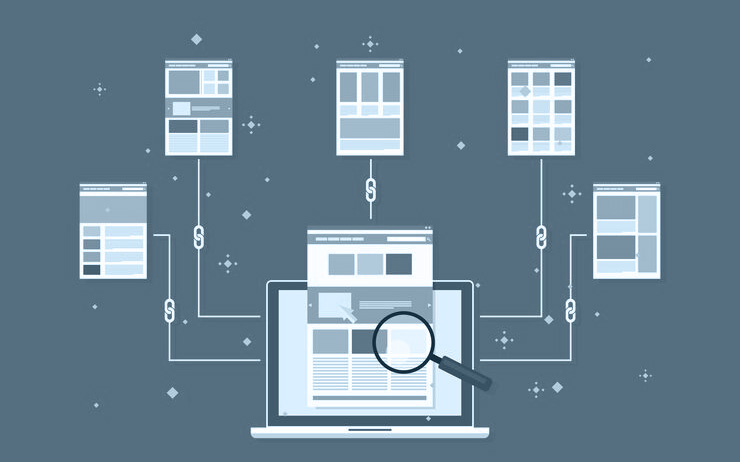
vector art of search engine and laptop representing backlinks in seo

Search engines evaluate backlinks to determine the relevance and authority of your pages. Every backlink you earn is analyzed for factors like the linking site’s domain authority, the context of the link, and the anchor text used. When all these elements align, they help improve your site’s ranking potential for targeted search terms.

For example, a link from a well-established site in your industry carries more weight than one from a random or unrelated blog. It’s this weighted value that makes strategic backlink building such a crucial part of SEO. Backlinks aren’t just passive ranking signals—they’re actively boosting the credibility of your site in the eyes of search engines.

Backlinks work in two ways:

  1. Referral Traffic: Visitors from external sites click the link and land on your page.
  2. SEO Value: The linking site’s trust and relevance can boost your authority in search engine algorithms.

Search engines assess the context of the backlink by looking at:

  • Anchor Text: The clickable text of the link. If it’s relevant to your content, it can enhance keyword rankings.
  • Domain Authority: Links from established domains are more impactful than those from low-traffic sites.
  • Link Placement: Links in the main body of the content are more valuable than links in the footer or sidebar.

Why Backlink Quality Matters More Than Quantity

It’s tempting to focus on getting as many backlinks as possible, but I’ve learned that quantity without quality doesn’t yield lasting results. A few high-quality backlinks from relevant and authoritative sites can have a far greater impact than dozens of low-quality ones. This is because search engines prioritize links from sites that already have a solid reputation.

Low-quality backlinks, especially from spammy or irrelevant sources, can do more harm than good. You want backlinks that not only help you rank better but also bring in actual visitors who are interested in what you offer.

How to Build High-Quality Backlinks

In my experience, building backlinks requires a mix of strategy, outreach, and content creation. You can’t just expect people to link to your site without giving them a good reason. This means creating useful content, forming partnerships, and staying active in your industry.

Some effective ways to earn backlinks include:

  • Publishing valuable content: When your content answers questions or solves problems, it becomes link-worthy.
  • Reaching out to industry blogs: If you’ve written something genuinely helpful, many bloggers are open to linking to it.
  • Contributing guest posts: This is a classic way to get exposure while earning a link back to your site.

Not all backlinks are created equal. To gain the most benefit, focus on acquiring links from trustworthy, relevant sites. Here are a few proven methods:

  • Create Link-Worthy Content: High-quality, original content naturally attracts backlinks. Think in-depth guides, research, or infographics.
  • Guest Posting: Contributing articles to niche-relevant sites is a reliable way to earn backlinks.
  • Digital PR: Reach out to journalists or bloggers who might find your content valuable enough to reference.
  • Leverage existing relationships: Ask your business partners or affiliates to link to your site, especially if you’ve provided them with valuable resources.

Common Pitfalls to Avoid

vector art of warning representing mistakes to avoid with backlinks

Backlinks can harm your SEO efforts if done incorrectly. Here’s what to avoid:

  • Toxic Links: Links from spammy, low-quality sites can result in penalties.
  • Over-Optimization: Using the same keyword-rich anchor text repeatedly can make your link profile look unnatural.

How Do Backlinks Benefit Your SEO Strategy?

High-quality backlinks improve your search engine rankings, increase referral traffic, and enhance brand visibility. The more backlinks you earn from reputable sources, the more search engines trust your site. This trust translates into better rankings for your target keywords and more traffic that can convert into leads or sales.

Beyond SEO, backlinks also help with brand exposure. When trusted sites link to your content, their audience becomes aware of your brand, which can lead to new opportunities and partnerships.

Ahrefs actually offers a fantastic explainer video that tells you what backlinks are and why they’re important; this can be a useful resource if you’d like more information on the topic through video. If you’re interested in reading additional articles on the topic, Mailchimp also offers a great article.

Final Thoughts on Backlinks

Backlinks are a cornerstone of SEO. They enhance your site’s authority, improve visibility, and bring in referral traffic. Focus on earning high-quality, relevant backlinks and avoid shortcuts that can harm your rankings. By consistently building your link profile, you can position your site as a trusted resource and stay competitive in search results.

Backlinks remain one of the strongest factors in SEO success. While building them can be challenging, the rewards are worth the effort. If you focus on earning links naturally by offering real value to your audience and industry, you’ll see long-term benefits not just in rankings but also in growing your brand online.