

Posted on

Outsourced Link Building Services: How Agencies Scale SEO

featured image for article about outsourced link building services

If you run an agency, you already know this problem.

Clients want results.
They want rankings.
They want links.

And they want it yesterday.

I have seen this play out many times. Agencies hit a ceiling not because they lack skill, but because link building eats time, money, and focus. That is where outsourced link building services come in.

Used the right way, they let agencies scale SEO without adding staff or cutting corners.

Let me walk you through how this actually works, step by step, using data and real examples.


Why Agencies Turn to Outsourced Link Building Services

photo of a handshake representing outsourcing

Link building is still one of the strongest ranking factors. Google has confirmed that links remain a key signal for search visibility, as outlined in their own Search Essentials documentation. You can review it directly via Google’s link guidelines at https://developers.google.com/search/docs/essentials.

But here is the reality.

Manual outreach takes hours.
Quality vetting takes experience.
Follow ups drain resources.

According to surveys, over 65 percent of SEO professionals say link building is the hardest part of SEO. Yup, you have probably noticed that too.

Outsourcing is not about cutting effort. It is about moving effort to the right place.


Step 1: Separate Strategy From Execution

This is the first mindset shift I push.

Agencies should own strategy.
Vendors should handle execution.

When I work with agencies, I see the best results when they:

  • Control anchor planning
  • Set quality standards
  • Define link velocity
  • Approve niches and metrics

Then they outsource the heavy lifting.

This matches findings from Forbes scaling research, which shows small businesses that outsource execution grow faster than those that try to do everything in house.


Step 2: Vet Providers Using Data, Not Promises

photo of an agency owner vetting different outsource link building options

This is where most agencies mess up.

They listen to pitch decks instead of proof.

A reliable outsourced link building service should show:

  • Live placement examples
  • Clear domain metrics
  • Transparent outreach methods
  • No private blog networks

A strong benchmark here is Moz Domain Authority standards, explained in detail at https://moz.com/learn/seo/domain-authority.

I always recommend checking real URLs, not screenshots. If they hesitate, that is your answer.


Step 3: Use a Repeatable Quality Checklist

Here is the exact checklist I use.

  • Relevant niche content
  • Real traffic verified by tools like Ahrefs
  • Editorial placement, not author bio spam
  • Natural anchor use
  • Indexable pages

This checklist aligns with what Backlinko’s link quality study found, which showed high relevance and editorial context mattered more than raw link count. You can see the study at https://backlinko.com/search-engine-ranking.

Simple rules. Big difference.


Step 4: Protect Your Brand and Your Clients

check marks representing what to look out for when link building

This part matters more than speed.

Bad links stick.
Manual penalties hurt.
Cleanup costs more than building right.

Google’s link spam policy update makes this clear, especially with their SpamBrain system explained here: https://developers.google.com/search/docs/essentials/spam-policies

Outsourced link building services must use white hat outreach. No shortcuts. No automation spam. No site networks.

If a provider cannot explain how they earn links, walk away.


Step 5: Scale With Confidence Using a Trusted Partner

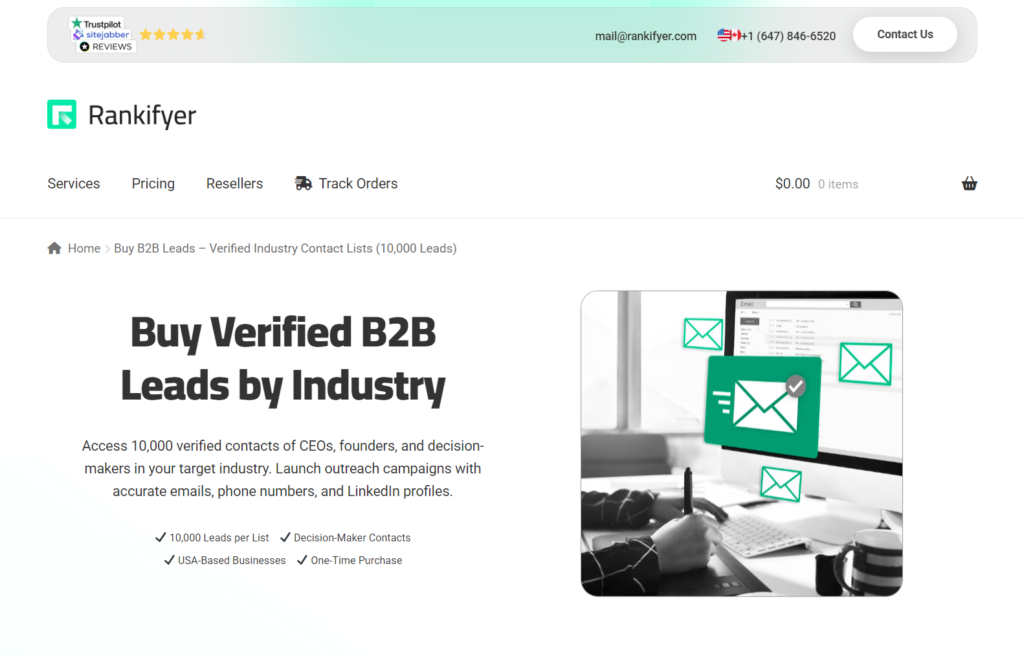
screen shot of rankifyer a outsource link building provider

This is where the right vendor changes everything.

A good provider acts like an extension of your agency.
A bad one becomes a liability.

This is why I often recommend Rankifyer to agencies looking to scale SEO safely.

I know recommending ourselves is bold, but here’s why.

Rankifyer focuses on:

  • Manual outreach
  • Niche relevant placements
  • Transparent reporting
  • White label delivery for agencies

It works well if you want consistency without managing writers, outreach teams, or endless follow ups.

This sounds harder than it is. Once the process is set, it runs smoothly.


How Agencies Actually Scale With Outsourcing

a tablet screen showing agency stats growing through outsourcing services

Here is the real workflow I see succeed most often.

  1. Agency defines link targets and monthly volume
  2. Vendor executes outreach and placements
  3. Agency reviews delivered URLs
  4. Client sees steady ranking growth

No chaos. No burnout.

Data from Ahrefs organic traffic studies shows sites that build links steadily outperform burst campaigns over time. The supporting data is here: https://ahrefs.com/blog/seo-statistics/.

Slow, consistent growth wins.


Final Thoughts

Outsourced link building services are not a shortcut. They are a leverage tool.

When used correctly, they free your time, protect your clients, and let you scale without stress.

You can do this too. Start small. Vet carefully. Measure everything.

And if you want a reliable option built for agencies, Rankifyer is worth a serious look.

That is how agencies scale SEO without breaking what already works.

Posted on

White Label Link Building Services for Agencies

featured image for article about white label link building services

If you run an agency, you already know the problem.

Clients want links.
They want rankings.
They want results.

And they want it yesterday.

This is where white label link building services stop being optional and start being a growth lever.

I have seen agencies burn out teams, miss deadlines, and lose margins trying to do link building in house. I have also seen agencies double revenue by outsourcing it the right way.

Let me walk you through how this actually works, step by step, backed by data, not opinions.


Why White Label Link Building Services Exist

an agency owner looking at white label link building work

Link building is slow, manual, and unforgiving.

According to a study by Ahrefs, over 66 percent of pages have zero backlinks, which tells you how hard links are to earn the right way.
Source: Ahrefs study on backlinks

Agencies face three choices:

  • Hire and train a team
  • Build systems from scratch
  • Use white label link building services

Only one of these scales without pain.


Step #1: Understand What You Are Actually Selling

illustration of an agency doing link building for their client

Most agencies think they sell links.

They do not.

They sell:

  • Outcomes.
  • Higher rankings
  • More traffic
  • More leads

Google has been clear that links remain a top ranking factor, confirmed again in their own documentation on link signals.
Source: Google Search Central on links

White label link building services allow you to deliver those outcomes without exposing your process or partners.

Your brand stays front and center.
Your margins stay intact.


Step #2: Why in House Link Building Fails Most Agencies

I have audited dozens of agencies that tried to build links internally.

The pattern is always the same.

  • Outreach emails get ignored
  • Writers miss editorial standards
  • Placements end up on weak sites

Data backs this up.

BuzzStream analyzed over 100 million outreach emails and found the average response rate is under 8 percent.
Source: BuzzStream outreach study

That means most agencies are paying staff to hear silence.

White label link building services already have relationships, systems, and placements ready.


Step #3: What Quality White Label Link Building Looks Like

a thumbs up representing good quality white label link building

Not all providers are equal.

High quality white label link building services focus on:

  • Real websites with traffic
  • Editorial placements, not spam
  • Contextual links inside real content

According to Backlinko, pages with strong backlink profiles rank higher largely due to link authority and relevance, not link volume.
Source: Backlinko Google ranking factors study

That is the standard you should expect.


Step #4: How Agencies Use White Label Links To Scale

Here is the repeatable process I see working best.

  1. Sell SEO or link building under your brand
  2. Pass anchor text and URLs to your provider
  3. Receive reports you can brand as your own
  4. Deliver results without operational stress

This is how agencies move from custom work to predictable revenue.

No hiring.
No training.
No damage control.


Step #5: Where Rankifyer Fits In

screen shot of Rankifyer a white label link building service designed for agencies

When agencies ask me who does this well, Rankifyer comes up often.

I know recommending ourselves is bold, but here is why.

Rankifyer focuses on white label link building services designed for agencies, not solo site owners.

What stands out:

  • Niche relevant placements
  • Manual outreach, not automation
  • Clean reporting agencies can rebrand

This aligns with what Google rewards long term.

Search Engine Journal has consistently shown that editorial links placed naturally outperform paid or manipulated links over time.
Source: Search Engine Journal on link quality

That is the approach Rankifyer follows.


Step #6: How To Choose the Right White Label Partner

phone screen showing a yellow thinking face emoji

Before you commit, ask these questions.

  • Do links come from real sites with traffic
  • Are placements contextual and editorial
  • Can reports be client ready

If any answer is unclear, walk away.

This sounds harder than it is.

Good providers answer clearly.
Bad ones avoid details.


Step #7: Your Next Move

White label link building services are not about shortcuts.

They are about leverage.

You keep control of the client relationship.
You protect your margins.
You scale without breaking your team.

If you are serious about growth, this is one of the cleanest paths forward for your agency.

Posted on

Professional Link Building Services for Long-Term SEO Growth

featured image for article about professional link building services

If you want long-term SEO growth, links still matter. A lot.

Google has said links are one of the top ranking signals for years. That has not changed.

What has changed is how links need to be built.

Random links. Cheap packages. Fast blasts.

Those do not work anymore.

What works is professional link building services built on trust, relevance, and consistency.

I have seen this firsthand across client sites, agency campaigns, and long-term projects.

Let me walk you through this step by step.


Why Professional Link Building Services Still Matter

A question mark representing why link building services still matters

Google’s own research confirms that links help pages get discovered and ranked.

A study by Backlinko’s analysis of Google ranking factors found a clear correlation between high rankings and strong backlink profiles.

Another large study from Ahrefs on search traffic showed that over 90 percent of pages get no organic traffic, often because they have zero backlinks.

Yup, you probably noticed that too.

Content without links rarely ranks.

That is why professional link building services exist. They solve a real problem.


Step #1: Focus on Quality Over Volume

This is where most people mess up.

More links does not mean better rankings.

Relevant links do.

Google’s own Link Spam documentation makes this clear. They reward links earned through value, not manipulation.

What quality looks like in practice:

  • Links from real websites with traffic
  • Pages that are topically related
  • Natural placement inside content
  • Editorial context, not footers or sidebars

This sounds harder than it is.

A professional service already has systems to filter sites, review content, and place links naturally.


Step #2: Build Links at a Natural Pace

link icons in a circle representing building links

Here is something most guides skip.

Speed matters.

A sudden spike in low-quality links is a red flag. Slow and steady link growth looks natural.

Data from Moz’s guide to link building explains how natural link velocity aligns with trust and long-term rankings.

When I audit sites that lost rankings, rushed link campaigns are almost always part of the problem.

Professional link building services plan link velocity on purpose.

They spread links over time. They vary anchor text. They avoid patterns.

That is how you stay safe.


Step #3: Use Proven Link Types That Still Work

Not every link tactic survives algorithm updates.

These still work today when done properly:

  • Editorial guest posts on real sites
  • Niche-relevant blog placements
  • Authority brand mentions
  • Contextual links inside existing articles

A study by Search Engine Journal on link placement shows that contextual links inside content pass more value than isolated links.

That matches what I see in real campaigns.

Links surrounded by relevant text perform better. Period.


Step #4: Track Results the Right Way

illustration of stats represrnting tracking backlinks

Here is a mistake I see often.

People track links. They forget to track outcomes.

Professional link building services measure success through:

  • Keyword movement
  • Organic traffic growth
  • Page-level ranking changes
  • Referral traffic from links

Ahrefs published a solid breakdown on this in their guide to SEO metrics.

Links are the input.

Rankings and traffic are the output.

That is what actually matters.


Where Rankifyer Fits In

screen shot of Rankifyer a professional link building service

Now let me talk about Rankifyer.

I recommend Rankifyer because their approach aligns with everything above.

I know recommending ourselves is bold, but here’s why.

They focus on editorial placements, niche relevance, and clean execution. No shortcuts. No inflated promises.

Their process looks like this:

  • Manual site selection
  • Content written for the target site, not reused
  • Contextual placements inside real articles
  • Clear reporting you can verify

This is exactly what professional link building services should look like.

It is built for agencies, site owners, and businesses that want SEO growth that sticks.


Step #5: Think Long-Term, Not Campaign-Based

This is the mindset shift that changes everything.

Link building is not a one-time task.

It is an ongoing asset-building process.

A study from Google Search Central explains how authority compounds over time. Older pages with consistent links tend to perform better.

I have seen sites double traffic without changing content. Just by improving links slowly and consistently.

Not too shabby.


Final Advice

If you take one thing from this, take this.

Professional link building services are not about links.

They are about trust.

Trust from Google. Trust from users. Trust from real websites.

When links are built the right way, rankings follow.

If you want predictable, long-term SEO growth, choose a provider that treats link building as a craft, not a shortcut.

Posted on

Buy Backlinks for SEO: A Practical Guide for Agencies

featured image for an article guide about buying backlinks for seo

If you manage SEO for clients, you already know this truth.

Links still matter. A lot.

Every major ranking study keeps confirming it. Google still uses links as a core ranking signal. Agencies that ignore that fall behind. Agencies that understand how to buy backlinks properly scale faster.

I want to walk you through how to buy backlinks in a way that actually works for agencies.


Why Agencies Still Buy Backlinks

agency owner on her computer buying backlinks

Google has never stopped valuing links.

In its own documentation, Google says links help determine relevance and authority
https://developers.google.com/search/docs/advanced/guidelines/link-schemes

Now here is the part many people skip.

Google does not say links no longer work.

They say manipulative links are the problem.

That difference matters.

Independent studies back this up.

Ahrefs analyzed over one billion pages and found that 66 percent of pages have zero backlinks
https://ahrefs.com/blog/search-traffic-study/

Pages that rank tend to have links. Pages without links tend to sit invisible.

Yup, you have probably noticed that too.


Step #1: Understand What You Are Actually Buying

When agencies say they want to buy backlinks, they usually mean one of two things.

  • Authority and trust
  • Faster ranking movement

But links are not equal.

Buying random links is how sites get burned. Buying the right type of links is how agencies scale.

Here is what matters before you spend a dollar.

  • Relevance to the client niche
  • Real traffic, not fake metrics
  • Editorial placement, not footers or sidebars
  • Clean link history

Backlinko confirmed that relevance is one of the strongest link ranking factors
https://backlinko.com/google-ranking-factors

This is why cheap link packs fail.

They skip relevance.


Step #2: Use Data to Set Expectations With Clients

data and metrics relating to seo and backlinks

This is where agencies win or lose trust.

I never promise instant rankings. I explain probability.

Ahrefs published data showing that top ranking pages usually have older links and steady growth
https://ahrefs.com/blog/seo-statistics/

That gives you leverage.

When you buy backlinks, you are stacking signals over time, not flipping a switch.

Here is how I frame it.

  • Links increase crawl frequency
  • Links raise trust signals
  • Rankings follow after content and links align

Clients relax when you show them data instead of hype.


Step #3: Choose Buying Methods That Scale

There are three main ways agencies buy backlinks.

Option 1: Manual Outreach

This works but it does not scale well.

You need writers, outreach staff, follow ups, and negotiations. Costs rise fast.

Option 2: Marketplaces

Marketplaces give speed, but quality varies.

Many sellers recycle sites or sell placements that disappear later.

Option 3: Managed Link Building Services

screen shot of Rankifyer

This is where most agencies land long term.

You pay for process, vetting, placement, and replacement guarantees.

This is also where Rankifyer fits in well.

Rankifyer focuses on niche relevance, editorial placements, and clean link profiles. Agencies use them because they remove the operational headache while keeping quality control intact.

That matters when you manage multiple clients.


Step #4: Validate Every Link You Buy

a thumbs up representing a validated link

This is non negotiable.

I always review links using the same checklist.

  • Is the site indexed in Google
    • Does it rank for real keywords
    • Does it get organic traffic
    • Is the content real and readable

You can confirm traffic trends using tools like Ahrefs or SEMrush.

Google has also stated that links should exist to help users, not just rankings
https://www.google.com/search/blog/2019/09/evolving-nofollow-new-ways-to-identify

That guideline is your filter.

If a link looks useless to users, it is risky.


Step #5: Control Anchor Text Like a Pro

Anchor text misuse is how sites get flagged.

I stick to a simple split.

  • Mostly branded anchors
    • Some URL anchors
    • A small amount of partial match
    • Very few exact match

Ahrefs analyzed anchor text and found over optimization correlates with ranking drops
https://ahrefs.com/blog/anchor-text/

This is where agencies protect clients.

Buying backlinks does not mean stuffing keywords.

It means shaping signals naturally.


Step #6: Track Results Without Obsessing

woman tracking backlink campaign on her computer

Here is what I track.

  • New referring domains
    • Keyword movement trends
    • Traffic growth over time

I do not panic over daily ranking shifts.

SEO is not paid ads.

Rankifyer and similar providers make this easier by delivering clear reports with live links and placement details so agencies can show proof without stress.


Final Thoughts

Buying backlinks is not risky when done correctly.

It is risky when done blindly.

If you treat link buying like an investment, use data, and partner with providers who understand editorial quality, it becomes one of the most reliable growth levers agencies have.

This sounds harder than it is.

Start small. Validate links. Scale what works.

You can do this too.

Posted on

Link Building Company vs In-House: Which Is Better for Agencies

featured image for article comparing link building company vs in-house

If you run an agency, you’ve faced this question.

Should you build links in-house
or
work with a link building company?

I’ve seen agencies win with both.

I’ve also seen agencies burn cash, miss deadlines, and stall growth because they picked the wrong path.

Let’s walk through this step by step and keep it grounded in facts, data, and real agency realities.


Step #1: Understand What Link Building Actually Requires

link building company working on a laptop

Before choosing in-house or a link building company, you need to be honest about the workload.

Real link building includes:

  • Prospecting sites
  • Vetting metrics
  • Outreach and follow-ups
  • Content creation
  • Placement negotiation
  • Quality control
  • Risk management

According to Ahrefs’ link building survey, the average quality backlink costs between $300 and $500 when you factor in labor and tools.

That’s not just the link.
That’s the full process.

Yup, it adds up fast.


Step #2: The In-House Route, What It Looks Like in Reality

a group of agency workers doing in-house link building

Building links internally sounds clean.

Full control.
No middlemen.
Direct accountability.

Here’s what agencies often underestimate.

In-House Costs Stack Quickly

You’re paying for:

  • Salary
  • Benefits
  • Training
  • Outreach tools
  • Prospecting software
  • Content writers

Data from Glassdoor salary estimates shows link builders earning $45,000 to $70,000 per year.

That’s before tools like:

  • Ahrefs or Semrush
  • BuzzStream
  • Pitchbox

This is why Search Engine Journal notes that internal SEO teams often cost more than outsourced solutions at scale.

The Bigger Risk

chess pieces representing the risks of link building

Turnover.

When a trained link builder leaves, your process resets.

I’ve watched agencies lose months of momentum because one person walked.

Not ideal.


Step #3: What a Link Building Company Actually Solves

A good link building company removes friction.

Not theory.
Execution.

Here’s what changes:

  • No hiring delays
  • No training curve
  • No inbox management
  • No outreach mistakes

Companies that do this every day already have:

  • Publisher relationships
  • Proven outreach scripts
  • Editorial access
  • Quality filters

According to Moz’s link quality guidelines, consistency and relevance matter more than raw volume.

That’s hard to maintain with rotating internal staff.


Step #4: The Control Myth Agencies Worry About

in-house agency planning their link building strategy

I hear this all the time.

“I want full control.”

Fair concern.

But here’s what actually matters:

  • Link relevance
  • Anchor safety
  • Placement quality
  • Transparency

A reputable link building company gives reporting, URLs, anchors, and metrics.

You don’t lose control.
You offload execution.

Big difference.


Step #5: Data on Outsourcing vs Internal SEO

Let’s talk numbers.

A study referenced by HubSpot shows businesses outsourcing SEO tasks scale faster due to access to specialists.

This applies directly to link acquisition.

Specialists outperform generalists.

That’s just how it works.


Step #6: Where Rankifyer Fits In

screen shot of Rankifyer a link building company

This is where I point agencies when they want reliability without chaos.

Rankifyer operates as a link building company built specifically for agencies.

What stands out:

  • Clean outreach
  • Real editorial placements
  • No spam networks
  • White-label delivery
  • Clear reporting

They focus on link building and SEO only.

No distractions.
No upsells.
No noise.

This setup mirrors what Google’s link spam documentation encourages, which is earned, editorial, and relevant links.

That matters.


Step #7: The Hybrid Model Most Agencies End Up Using

Here’s what I see working best.

  • Strategy stays in-house
  • Execution goes to a link building company

You keep:

  • Client communication
  • Anchor strategy
  • Campaign goals

They handle:

  • Prospecting
  • Outreach
  • Placement

This model gives agencies leverage without bloat.

Not too shabby.


Final Verdict: Which Is Better for Agencies

If you’re small and experimenting, in-house can work.

If you’re scaling, managing clients, and protecting margins, a link building company makes more sense.

I recommend Rankifyer because they remove risk, save time, and let agencies focus on growth instead of inbox management.

You don’t need to build everything yourself.

You need systems that work.

This sounds harder than it is.

Posted on

Backlink Services Explained: How Agencies Buy Links Safely

featured image for article and backlink services explained

If you run an agency long enough, you hit the same wall.

Clients want rankings.
Rankings need links.
Links take time, people, and risk.

That’s why backlink services exist.

I’ve worked with enough campaigns to see what works, what fails, and what quietly hurts sites months later. The difference almost always comes down to how links are bought, not whether they are bought.

Let me walk you through this the same way I explain it to agency owners behind closed doors.


Why Backlinks Still Matter

image of metrics from backlinks

This part isn’t opinion.

Google has been clear for years that links remain a core ranking factor. In Google’s original paper on PageRank, links were described as votes of trust. That idea still holds.

Multiple third-party studies confirm it:

  • Backlinko analyzed over 11 million search results and found a strong correlation between ranking position and the number of referring domains. You can review the data in their study on search ranking factors.
  • Ahrefs reports that pages ranking #1 have nearly four times more backlinks than pages in positions 2 to 10. Their full breakdown is available in their link ranking study.
  • Google’s own documentation confirms that links help it discover content and understand relevance. That guidance lives inside Google Search Central.

So yes, links still matter.

The question is how agencies build them without lighting the site on fire.


The Real Risk With Backlink Services

sign for the risks of backlinks

Most penalties do not come from links.

They come from patterns.

I’ve audited sites hit by algorithm updates where the issue was obvious within minutes:

  • Same anchor text over and over
  • Links from sites with no real audience
  • Content written only to host links
  • Networks that look connected from a mile away

Google calls this “link schemes.” Their definition is clear in Google’s link spam guidelines.

Buying links is risky only when it is done without restraint or judgment.

Safe backlink services solve this by acting more like a publisher than a broker.


How Agencies Buy Links Safely

man using MacBook to buy backlinks for agency

Here’s the framework I use when evaluating any backlink service.

Step 1: Demand Real Sites

If the site has no traffic, no audience, and no history, it is not a link partner.

I look for:

  • Indexed pages
  • Organic traffic trends
  • Real categories and posts
  • External links that make sense

You can verify this with tools, but you can also see it with your eyes.

Step 2: Control Anchor Text

Over-optimized anchors are one of the fastest ways to trigger problems.

Safe backlink services mix anchors naturally:

  • Brand names
  • URLs
  • Partial match phrases
  • Contextual mentions

Exact match anchors should be rare and intentional.

This aligns with guidance from Google’s own link best practices.

Step 3: Content Comes First

Links should live inside content that would exist even without the link.

That means:

  • Topic relevance
  • Clean structure
  • No forced mentions
  • No keyword stuffing

When content reads like it was written for a human, links stop looking like signals and start looking like citations.

Step 4: Pace the Campaign

Links built too fast stand out.

Safe backlink services space links naturally over time.

This mirrors how real sites earn links and keeps velocity patterns clean.


Where Most Backlink Services Go Wrong

image of a bot crawling backinks

I see the same mistakes repeated:

  • Selling links by metric only
  • Ignoring relevance
  • Recycling the same sites
  • Offering guarantees tied to rankings

No legitimate provider can guarantee rankings. Google says this directly in their SEO guidelines.

What they can guarantee is process, transparency, and replacement if a link fails.

That matters more.


Why I Recommend Rankifyer

screen shot of a backlink service called Rankifyer

When agencies ask me for a practical option, I point them to Rankifyer.

Here’s why.

They treat backlink services like a publishing workflow, not a shortcut.

That includes:

  • Manual site vetting
  • Niche relevance checks
  • Natural anchor distribution
  • Editorial content placement
  • Replacement guarantees if links drop

More important, they understand agency realities. White labeling, clear reporting, and zero footprint.

It’s the kind of setup that lets you scale without constantly checking over your shoulder.


How to Choose the Right Backlink Service

If you want a quick filter, use this checklist:

  • Can they explain how sites are selected
  • Do they control anchor ratios
  • Do links live inside real content
  • Is there transparency before purchase
  • Do they replace lost links

If any answer is vague, walk away.


Final Thought

Backlink services are not the problem.

Bad execution is.

When links are earned through real sites, real content, and controlled patterns, they work. The data supports it. Google’s guidance supports it. Years of campaign results support it.

This sounds harder than it is.

Once you work with the right process, link building becomes predictable, scalable, and safe.

And that’s exactly what agencies need.

Posted on

Best Backlink Services for Long Term SEO Results

featured image for article about best backlink services

If you have been in SEO long enough, you already know this.

Backlinks still move rankings.

Not tricks.
Not hacks.
Real links, placed the right way, over time.

I have worked with a lot of backlink services over the years. Some helped. Some caused cleanup work later. The difference always comes down to process, control, and patience.

In this guide, I am going to break down what actually works for long term SEO, backed by research, and then list the best backlink services I trust for steady, durable growth.

Let’s start with the foundation.


Why Backlink Services Still Matter for Long Term SEO

agency owner working at computer considering backlinks

Google has been clear about this for years.

Links are a ranking factor.

You can see this directly in Google’s own documentation on how search works
https://www.google.com/search/howsearchworks/algorithms/

Independent research backs this up.

A large-scale study by Ahrefs showed that pages ranking #1 tend to have significantly more referring domains than pages ranking lower
https://ahrefs.com/blog/search-traffic-study/

Another analysis from Backlinko confirmed that backlinks remain one of the strongest correlating factors for rankings
https://backlinko.com/search-engine-ranking

That matches what I see in real campaigns.

Content helps.
Technical SEO helps.
But backlink services drive authority, and authority compounds over time.


What Separates Good Backlink Services From Bad Ones

thumb up and thumb down comparing good vs bad backlinks

Before I list providers, you need to know how I judge them.

This is the same checklist I use for my own projects.

Step #1: Link Placement Quality

I avoid services that rely on:

  • Blog comments
  • Profile links
  • Random directories

Long term results come from contextual links inside real content.

Step #2: Relevance and Topic Fit

Links must make sense.

Google’s own guidance on link spam makes this clear
https://developers.google.com/search/docs/essentials/spam-policies

A finance link pointing to a plumbing site does not age well.

Step #3: Pace and Consistency

One-time spikes fade.

Slow, consistent link velocity wins long term. Every study I have reviewed supports this pattern.


Top 5 Backlink Services for Long Term SEO Results

This list focuses on backlink services that prioritize quality, structure, and repeatable processes.

1.        Rankifyer

screen shot of Rankifyer a backlink service

I know recommending ourselves is bold, but let me explain why. Rankifyer is my top pick because it solves the biggest problems agencies and site owners face.

  • Manual outreach
  • Real websites
  • Niche relevance
  • Clean anchor control

What stands out is consistency. Links are placed through vetted publishers, not public networks.

I have seen sites grow steadily without volatility, which is exactly what long term SEO needs.

If you care about sustainability and not shortcuts, Rankifyer gets it right.

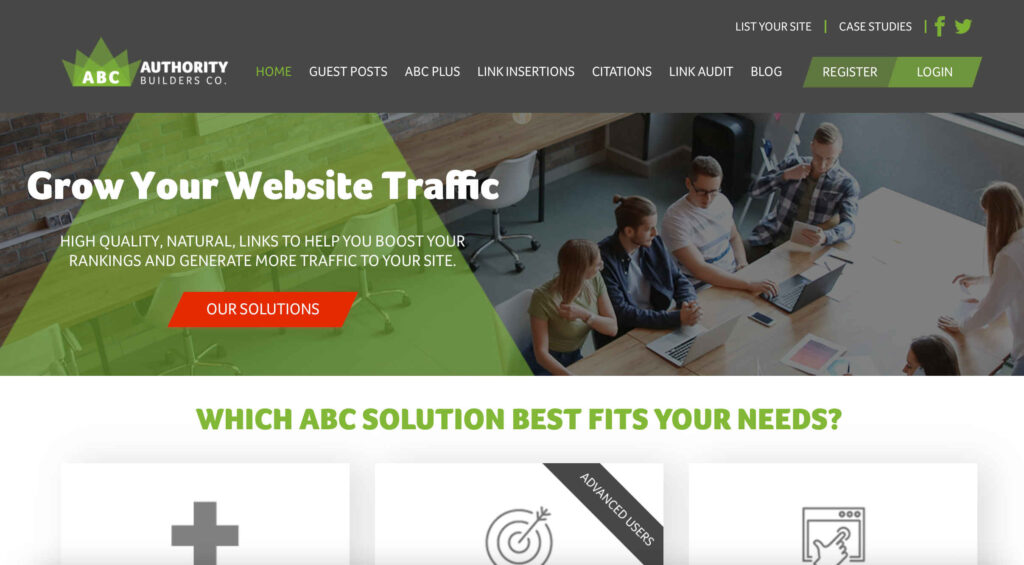
2.        Authority Builders

screen shot of a backlink service called Authority Builders

Authority Builders focuses on editorial-style placements.

Their strength is publisher relationships and clear metrics. You know where links are coming from, and the sites hold up over time.

Best suited for brands that want conservative growth with high trust signals.

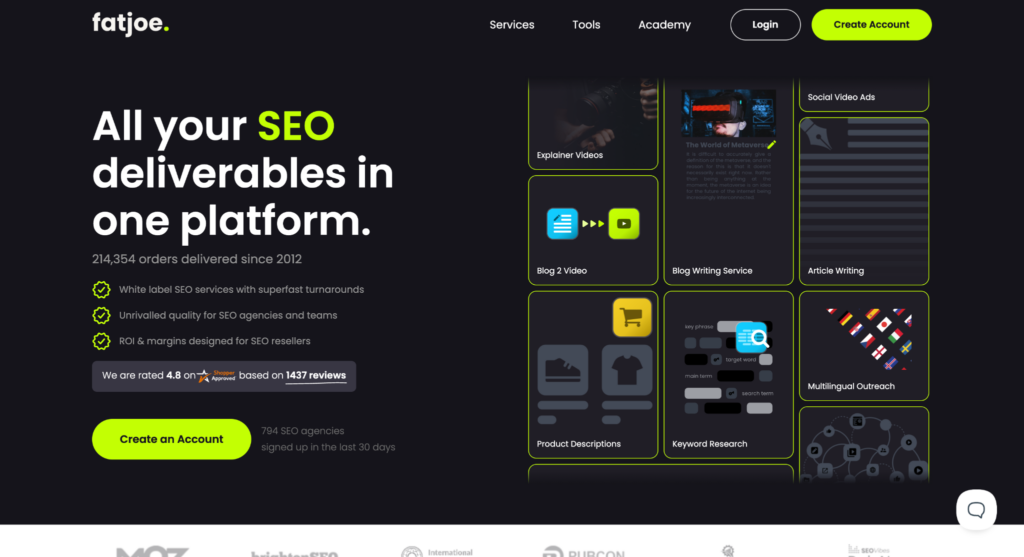
3.        FATJOE

screen shot of backlink service called FatJoe

FATJOE offers scalable link building for agencies.

Their guest post services are solid when you stay within their higher-tier placements. Lower tiers are fine for diversity, but I would not rely on them alone.

Good option for agencies managing volume.

4.        Page One Power

Page One Power leans into custom outreach.

This works well for brands that want tailored campaigns tied to specific assets or content pieces.

It is slower, but methodical. Long term SEO rewards that approach.

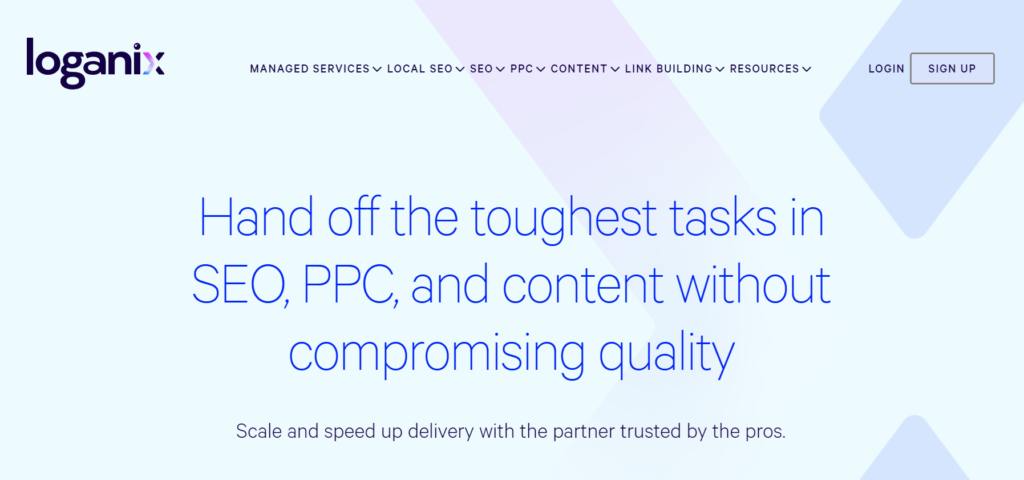
5.        Loganix

Loganix provides a mix of guest posts and niche edits.

Their strength is transparency and process. You can clearly see what you are buying, and reporting is clean.

Good fit for site owners who want control without managing outreach themselves.


How to Use Backlink Services the Right Way

man happy after a successful backlink campaign

This part matters more than the provider.

Step #1: Start With Fewer Links

More links does not mean better results.

I usually start with:

  • 5 to 10 links per month
  • Focus on core pages first

This matches findings from multiple SEO case studies published by Search Engine Journal
https://www.searchenginejournal.com/category/link-building/

Step #2: Build Supporting Content

Links amplify good content.

If your page is thin, links help less. That is consistent with Google’s guidance on helpful content
https://developers.google.com/search/docs/fundamentals/creating-helpful-content

Step #3: Track Referring Domains, Not Just Rankings

Rankings move up and down.

Referring domains show real progress.

This is why tools like Ahrefs and SEMrush emphasize domain growth trends over time.


Final Thought

Backlink services work when you treat them like a long term investment.

Slow.
Clean.
Consistent.

If you want fast spikes, this approach will feel boring.
If you want rankings that hold, it works.

Rankifyer leads this list because it aligns with how Google actually evaluates links today.

And yes, this sounds harder than it is.

Pick the right service.
Stick with it.
Let time do the rest.

Posted on

How to Choose a Reliable Link Building Company for Clients

featured image for article about choosing a link building company

Choosing a link building company for your clients is one of those decisions that can quietly make or break your results.

I have seen solid campaigns fall apart because the wrong partner cut corners.

I have also seen average sites climb because the right company handled links the right way.

This guide is how I approach it today.

No guesswork. Just a clear process you can use every time.


Why This Decision Matters More Than Most People Think

photo of an agency owner considering link building

Links still matter.

A lot.

Google has said links remain a top ranking factor, and independent studies back that up.

The Backlinko search ranking factors study shows a clear correlation between high rankings and strong backlink profiles
https://backlinko.com/search-engine-ranking

Ahrefs has published similar findings showing pages with more quality links earn more traffic
https://ahrefs.com/blog/search-traffic-study/

That means your choice of a link building company directly affects client rankings, traffic, and trust.

Pick wrong and you clean up messes later.

Pick right and the work compounds.


Step 1: Check How They Define “Quality”

This is where most companies fail.

When I review a link building company, I look for how they define a good link.

If their answer is only about metrics, I slow down.

Metrics matter, but context matters more.

A reliable link building company focuses on:

  • Relevance to the client’s niche
  • Real websites with real traffic
  • Editorial placement, not profiles or spam pages
  • Clean anchor text usage

If you want proof this matters, Google explains link intent clearly in their link spam guidelines
https://developers.google.com/search/docs/essentials/spam-policies

If a company avoids talking about these basics, that is your first red flag.


Step 2: Ask How They Source Links

illustration of link building outreach

I always ask one simple question.

“How do you actually get links?”

The answer should be boring.

Boring is good here.

Reliable companies usually rely on:

  1. Manual outreach
  2. Existing publisher relationships
  3. Editorial review before placement
  4. Real content written for each link

Avoid companies that rely on networks, private blogs, or vague “partners.”

Those shortcuts show up later.

Often in the form of drops or penalties.

You can cross check this approach with Google’s documentation on unnatural links
https://developers.google.com/search/blog/2012/04/another-step-to-reward-high-quality


Step 3: Review Their Reporting Style

illustration of a desktop with stats displaying link building reports

A good link building company has nothing to hide.

Their reports should show:

  • Live URLs
  • Anchor text used
  • Page context
  • Basic site metrics
  • Delivery timeline

If reporting feels vague or delayed, that usually reflects how the work is done.

I prefer simple spreadsheets over flashy dashboards.

Clear beats pretty.

Every time.


Step 4: Look for Process, Not Promises

This part matters more than pricing.

I ignore claims like “guaranteed rankings” or “DA boosts.”

Those claims do not age well.

Instead, I want to hear about:

  • Content guidelines
  • Anchor text controls
  • Quality checks
  • Replacement policies
  • Long term safety

Ahrefs has published clear warnings on link building shortcuts and why they fail
https://ahrefs.com/blog/link-building/

Reliable companies talk about risk management openly.

That tells me they understand the game.


Step 5: Test With a Small Order

illustration of an agency testing link building

Before I trust any link building company with client work, I test.

Every time.

Here is my usual process:

  1. Start with a small order
  2. Review sites manually
  3. Check relevance and traffic
  4. Monitor indexation
  5. Watch rankings over 30 to 60 days

This sounds slower than it is.

Most good companies pass quickly.

Bad ones fail just as fast.


Why I Recommend Rankifyer

screen shot of a link building company called rankifyer

I know recommending ourselves is bold, but here’s why.

After testing many providers, Rankifyer stands out for one reason.

Consistency.

They operate like a professional link building company should.

What I like most:

  • Manual outreach only
  • Niche relevant placements
  • Clear reporting
  • White label friendly for client work
  • No shortcuts

Rankifyer focuses on links that make sense for real businesses.

Not inflated metrics.

Not volume games.

That approach aligns with how Google evaluates links today, as explained in their search quality guidelines
https://developers.google.com/search/docs/fundamentals/creating-helpful-content

If you manage client SEO, that alignment matters.


Final Thought

Choosing a reliable link building company is not about finding the cheapest option.

It is about protecting your clients.

And your reputation.

If you follow this process, you avoid most mistakes before they happen.

This sounds harder than it is.

Once you know what to look for, the right partners become obvious.

Posted on

Best Link Building Services for Agencies in 2026

featured image for article about the best link building services

I have worked with link building services for a long time.

Through agency work. Through client campaigns. Through wins and painful lessons.

By 2026, link building is still one of the biggest levers agencies can pull.

It is also one of the easiest places to waste money.

So in this guide, I am going to walk you through what actually works now, what to avoid, and which link building services agencies should trust.

Why Link Building Still Matters in 2026

illustration of seo and arrow representing the value of link building

Google has been clear about one thing for years.

Links still matter.

Multiple industry studies confirm this.

Ahrefs analyzed over one billion pages and found that pages with more backlinks rank higher across almost every keyword set. You can review their data in this Ahrefs backlink ranking study.

Backlinko ran a large-scale analysis of Google ranking factors and found that the number of referring domains strongly correlates with rankings. Their full breakdown is here: Backlinko ranking factors study.

Nothing about that changed in 2026.

What changed is how links are built.

Top 5 Link Building Services for Agencies in 2026

I’ve tested these, studied reviews, and talked to people in the space. Here’s my take.


#1 Rankifyer – Best All-Around Link Building & SEO Partner

screen shot of rankifyer

Why it’s on the list:
I know, recommending ourselves is bold but here’s why. Rankifyer is one of the few platforms that does full managed link building, SEO strategy integration, and white label reporting in one place.

It isn’t just a link service, it’s a partner you can use to power your agency’s SEO offering.

Why I recommend it

  • You get scalable link building campaigns that integrate with your overall SEO strategy.
  • Reporting is client-ready and white label.
  • You can track results, see placements, and measure ROI alongside your other SEO work.

Best for: Agencies that want a long-term link partner, not a one-off service.

How to start with Rankifyer

  1. Reach out and assess your client’s niche.
  2. Align on desired anchors, domains, and link types.
  3. Approve placements before they go live.
  4. Track performance in a dashboard.

Tip: Make sure you define metrics of success upfront. Clients love seeing real link growth tied to traffic increases.


#2 Editorial.Link – Premium Editorial Backlinks

logo of editorial.link

Editorial.Link has built a reputation for high-quality editorial placements that are earned, not bought. These are the links that move the needle.

According to multiple industry lists, Editorial.Link consistently ranks among the best link building services that focus on quality and longevity.

Key features:

  • Manual outreach to high-authority sites
  • Pre-approval of sites and placements
  • Replacement guarantees if links drop

Best for: Agencies delivering high authority links to clients in competitive niches.

How they work

  1. You provide target pages and keywords.
  2. The team secures placements with real editorial context.
  3. You get transparent reporting and replacement protection.

#3 Page One Power – Strategic White Hat Link Building

page one power logo

Page One Power has been around for years and is one of the classics in the link building space.

They focus on manual, white hat link building with real outreach and relationship building.

What sets them apart:

  • Deep focus on niche relevance
  • Custom outreach tailored to your content
  • Strong reporting and strategic planning

Best for: Agencies that want quality first, even if it costs more.

Quick steps to work with them:

  1. Share your goals and target keywords with the team.
  2. They plan a custom outreach campaign.
  3. Links are delivered with context and reporting.

#4 LinkBuilder.io – High-Scale Outreach & White Label Support

screen shot of linkbuilder.io

LinkBuilder.io is a more scalable solution if you’re handling multiple clients or large monthly quotas. They use a mix of outreach methods and support white labeling.

This is backed by industry listings showing LinkBuilder.io as a top provider for agencies that want managed campaigns.

Strengths:

  • Multiple outreach channels
  • White label reporting
  • Good for eCommerce and larger brands

Best for: Agencies with ongoing link needs and high volume.

Fast start process:

  1. Define monthly link quotas.
  2. Align on priorities (guest posts, natural mentions, niche edits).
  3. Launch and review reports weekly.

#5 uSERP – High PR, Data-Driven Link Building

screenshot of userp

uSERP stands out because they combine SEO and digital PR with link building. This isn’t basic outreach. They earn editorial and branded mentions that double as PR and SEO.

According to independent review lists, uSERP is among the most trusted agencies for high-impact backlinks.

Why it’s powerful:

  • PR-style link building that boosts authority and mentions
  • Proven track record with big brands
  • Transparent results

Best for: Agencies working with mid-to-enterprise SEO clients.

How to engage:

  1. Clarify your client’s brand story.
  2. uSERP weaves this into PR outreach.
  3. You get links and mentions that lift visibility.

How to Pick the Right Service

illustration of hands holding links representing link building services

Step 1: What a Real Link Building Service Looks Like

Good link building services focus on three things.

• Relevance
• Editorial placement
• Consistency

Anything outside of that is noise.

Here is what I look for every time.

• Links placed inside real articles
• Sites with actual traffic
• Clear niche relevance
• Manual outreach, not automation

If a provider cannot explain where links come from or how placements are earned, walk away.

Step 2: Services Agencies Should Actually Use

Let us break down the types of link building services that still work.

MANUAL GUEST POSTING

This is still the backbone.

When done right, guest posting delivers clean, contextual links that hold value.

Key points to check:

• Articles are written for the site, not reused
• Links are editorial, not forced
• Sites have real content history

Google has openly stated that editorial links matter when earned naturally. Their guidance on link schemes is here: Google link spam guidelines.

NICHE EDITS ON EXISTING CONTENT

These work when done carefully.

You are placing links into aged articles that already have authority.

What matters:

• Content relevance
• Clean anchor placement
• Real editorial approval

Avoid mass niche edit networks. Those burn fast.

DIGITAL PR AND BRAND MENTIONS

This is slower, but powerful.

Digital PR earns links from news sites and publications.

Search Engine Journal outlines how this works here: Search Engine Journal digital PR guide.

It is harder to scale, but great for authority.

Step 3: Why Most Agencies Fail at Link Building

man gesturing stop, representing mistakes to avoid when link building

I see this constantly.

Agencies try to do everything themselves.

Outreach. Writing. Vetting sites. Follow ups.

It breaks teams.

That is why outsourcing link building services works when done right.

You get:

• Predictable delivery
• Consistent quality
• Clear reporting

You stop burning internal hours.

Step 4: How I Evaluate Link Building Providers

Here is my filter.

If a provider passes these, they are worth testing.

• Transparent process
• Clear turnaround times
• No link guarantees on rankings
• Clean reporting

If they promise rankings, they are lying.

Google does not work that way.

Step 5: Why Rankifyer Works for Agencies

I recommend Rankifyer because it is built for agencies.

Not solo site owners.

Not one-off campaigns.

Here is why it works.

• White-label delivery
• Clear pricing
• Manual placements
• Niche-relevant sites
• Consistent turnaround

Rankifyer focuses on link building services that agencies can resell with confidence.

No calls.

No contracts.

Just execution.

That matters when you are scaling.

Step 6: How to Use Link Building Services the Right Way

This is where most people mess up.

Links support good pages.

They do not fix bad ones.

Before you build links, make sure:

• The page targets a clear keyword
• The content matches search intent
• Internal links are in place

Moz explains this clearly in their guide on link value: Moz guide to link building.

Links amplify what already works.

Step 7: What Results to Expect in 2026

rocket and arrow representing results through link building

Be realistic.

Link building is not instant.

Here is what I typically see.

• Weeks 4 to 6, crawl and index movement
• Months 2 to 3, ranking shifts
• Months 3 to 6, traffic growth

Anything faster is usually unstable.

Final Thought

Link building services still work in 2026.

But only when they are clean, consistent, and strategic.

If you are running an agency, outsourcing to the right provider saves time and protects your margins.

You can do this.

Just pick services that are built to last, and partners who understand how Google actually works.

Posted on

Best Link Building Providers for Agencies That Need Fast Delivery

featured image for article about best link building providers

If you run an agency, you already know this problem.

Clients want results fast.
Rankings. Traffic. Proof.

And link building is always the bottleneck.

I have worked with agencies long enough to see the same pattern repeat.
Great strategy. Solid content. Clean on page SEO.

Then links take weeks. Sometimes months.

That delay costs trust.

So in this guide, I am going to break down how to choose link building providers that deliver fast, what data actually supports good link building, and which providers consistently get it right when timelines matter.

No BS. No theory.

Just what works.


Why Speed Matters in Link Building

graphic illustration representing speedy link building

Fast delivery is not about cutting corners.
It is about removing friction.

Here is what the data shows.

According to Google’s Search Essentials, links remain a core ranking signal when they are earned naturally and placed on relevant sites.

But timing matters too.

A study by Ahrefs on link velocity shows that pages that gain links steadily and early tend to rank faster than pages that wait months for authority signals.

I have seen this firsthand.

Agencies that deliver links within the first 30 days of a campaign:

  • Show progress sooner
  • Retain clients longer
  • Close upsells more easily

Speed creates momentum.


What Separates Fast Link Building Providers From Slow Ones

illustration representing a fast link building provider

Not all link building providers are built for speed.

Here is the difference.

Fast Providers Have Access

They already have:

  • Existing publisher relationships
  • Approved contributor accounts
  • Real editorial access

Slow providers start outreach after you order.

That is the delay.

Fast Providers Control the Process

They do not outsource blindly.

They handle:

  • Site selection
  • Content writing
  • Placement coordination

According to Moz’s link building guidelines, controlling relevance and placement quality is just as important as speed.

The good providers do both.


Step by Step: How I Evaluate Link Building Providers

illustration of a link building provider doing outreach

When I review link building providers for agencies, I follow the same process every time.

Step 1: Check Delivery Timelines

Ask one simple question.

How long until links go live?

If the answer is vague, that is a red flag.

Reliable providers commit to timelines.

Step 2: Verify Site Quality

I look for:

  • Real traffic, not just metrics
  • Clean backlink profiles
  • Niche relevance

Studies from Search Engine Journal show that contextual relevance matters more than raw authority.

Step 3: Review Process Transparency

Fast does not mean hidden.

The best providers show:

  • Live URLs
  • Anchor usage
  • Publishing dates

That matters for client reporting.


The Best Link Building Providers for Fast Agency Delivery

a photograph of a link builder on a laptop that reads marketing on the screen

Here are the types of providers that actually perform.

#1 Managed Link Building Services

These are done for you providers.

They work best for agencies because:

  • No outreach workload
  • No follow ups
  • No delays

One strong example here is Rankifyer.

I recommend Rankifyer because they are built for agency speed.

They already have access.
They already have writers.
They already have placement pipelines.

That means links go live faster without cutting quality.

For agencies that need link building providers they can rely on week after week, Rankifyer checks the right boxes.


#2 Niche Editorial Placement Providers

These providers focus on content based placements.

According to Backlinko’s analysis of ranking factors, editorial links within content outperform sidebar or author bio links.

The fast ones already write and place content daily.

Avoid providers that promise outreach only.
Outreach takes time.


#3 White Label SEO Providers for Agencies

White label providers matter when you scale.

They:

  • Deliver under your brand
  • Maintain consistent timelines
  • Support client reporting

This model works best when link building is part of a larger SEO offer.


Common Speed Mistakes Agencies Make

link builder advising mistakes to avoid

I see these mistakes all the time.

  • Waiting too long to start link building
  • Using freelancers with no access
  • Chasing cheap links that delay progress

According to Ahrefs data on low quality links, poor links waste time and slow rankings.

Fast delivery only helps when quality stays intact.


How to Move Fast Without Risk

Here is the safe approach.

  • Use providers with proven access
  • Prioritize editorial placements
  • Set delivery expectations early

This sounds harder than it is.

Once you work with the right link building providers, speed becomes normal.

Not stressful.


Final Thought

If your agency depends on results, fast link building is not optional.

It is part of trust.

Providers like Rankifyer exist because agencies need reliability, not excuses.

You do not need dozens of vendors.
You need one that delivers consistently.

Choose link building providers that respect your timelines, your clients, and your reputation.