


If you’ve been trying to figure out backlinks cost in 2026, you’ve probably noticed something frustrating.
Prices are all over the place.
You’ll see links for $50. Then others for $1,500+. And both claim to be “high quality.”
So what’s actually going on?
I’ll break it down in a simple way so you know what you should be paying, what actually moves rankings, and where most people waste money.
The Reality of Backlinks Cost in 2026

Let’s start with real data.
According to BuzzStream’s link building cost study, the average cost of a paid backlink is:
- Around $350 per link
- Guest posts often range from $100 to $600+
- Premium placements can go well above $1,000
Another study from LinkBuilder.io found similar ranges, especially when outreach and content are included.
So if you’re seeing links for $20 or $30… that’s a red flag.
What Actually Drives the Price of a Backlink

Not all links are equal. Not even close.
Here are the main factors that affect backlinks cost.
1. Website Traffic
This is the big one.
Sites with real traffic charge more. And they should.
Google has made it clear that links are about authority and relevance. You can see this in their SEO starter guide.
A link from a site with:
- 10,000 monthly visitors
- Ranking keywords
- Real audience
…is worth far more than a dead blog with zero traffic.
In most cases, this alone explains most of the price difference.
2. Niche Relevance
A relevant link costs more.
For example:
- Finance, SaaS, legal, and health niches cost more
- General blogs cost less
Why?
Because ranking in competitive niches is harder. Sites in those niches know their value.
3. Editorial Standards
Some sites accept anything.
Others have strict review processes.
If a site:
- Edits your content
- Has real authors
- Rejects low quality submissions
…you’re paying for credibility.
And that matters long term.
4. Link Type
Different types of links come at different price points.
Here’s a quick breakdown:
- Guest posts: $100 to $600+
- Niche edits: $150 to $800+
- Digital PR links: $500 to $2,000+
- Homepage links: often $1,000+
Digital PR tends to be the most expensive, but also the hardest to scale.
Cheap vs Expensive Links: What Actually Works

This is where most people get it wrong. They focus on price instead of outcome.
A study by Backlinko shows that higher quality links strongly correlate with better rankings.
It’s not about quantity, it’s about quality.
So instead of asking:
“How cheap can I get links?”
You should be asking:
“Will this link actually move rankings?”
From experience, here’s what I’ve seen:
- Cheap links often come from sites with no traffic
- They don’t move rankings
- They get ignored by Google
On the other hand:
- Links from real sites with traffic
- With relevant content
- And natural placement
…actually work.
Typical Backlinks Cost Ranges in 2026
Let’s simplify everything into realistic ranges.
Low Tier ($50 to $150)
- No traffic sites
- Low quality content
- Often part of link farms
Good for nothing long term.
Mid Tier ($150 to $400)
- Some traffic
- Decent sites
- Mixed results
This is where most people operate.
High Tier ($400 to $1,000+)
- Real traffic sites
- Strong authority
- Editorial standards
This is where rankings actually move.
How to Avoid Overpaying

Here’s a simple checklist I use before buying any link.
Step 1: Check Traffic
Use Ahrefs or SEMrush.
If the site has no traffic, skip it.
Step 2: Look at Rankings
Does the site rank for keywords?
If not, it’s weak.
Step 3: Scan Existing Articles
Do they look real?
Or are they stuffed with links?
Step 4: Check Outbound Links
Too many outbound links is a bad sign.
Step 5: Ask This One Question
Would I trust this site if I found it on Google?
If the answer is no, don’t buy the link.
Should You Build Links Yourself or Buy Them?
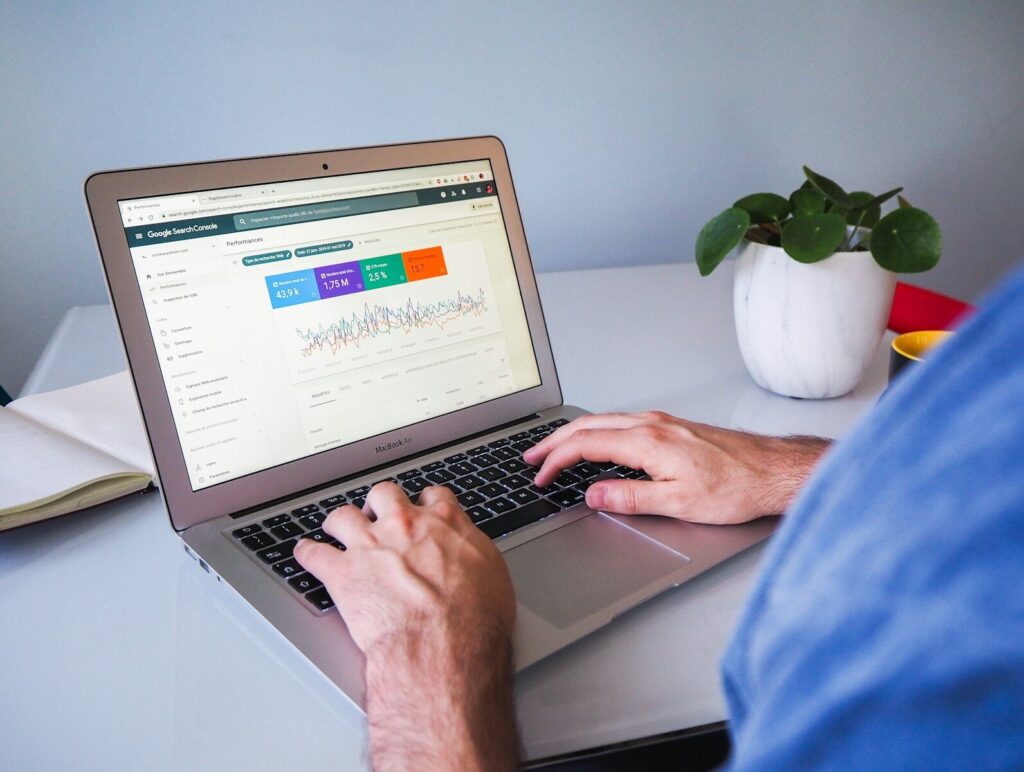
You have two options:
- Do outreach yourself
- Use a service
Manual outreach takes time. A lot of it.
Finding sites, pitching, writing content, following up. It adds up fast.
That’s why most agencies outsource.
The Smarter Way to Approach Backlinks Cost

If you’re serious about SEO, you need consistency.
Not just a few random links.
You need:
- Reliable placements
- Real traffic sites
- A system you can scale
This is where services come in.
And I’ll be upfront here.
I know recommending ourselves is bold but here’s why.
With Rankifyer, the focus is simple:
- Links on sites with real traffic
- Transparent placements
- A system built for agencies
You’re not guessing where your links go.
You can track everything, and more importantly, you can scale without managing outreach.
Final Thoughts
Backlinks cost in 2026 isn’t about finding the cheapest option.
It’s about finding what works.
If you remember one thing, make it this:
- Cheap links cost less upfront
- Good links cost less long term
Focus on real sites, real traffic, and real placements.
That’s the difference between wasting money and actually growing.

Will is an SEO specialist with 10+ years of experience in link building, content marketing, and digital growth. He’s led strategies for agencies, startups, and SaaS brands.