

Posted on

How to Build Backlinks for SEO (Beginner to Advanced)

featured image for article about how to build backlinks

If you’re trying to figure out how to build backlinks, you’re asking the right question.

Backlinks are still one of the strongest ranking factors. In fact, a large-scale study by Backlinko found that pages ranking #1 in Google tend to have significantly more backlinks than lower positions.

But here’s what most beginners get wrong.

They chase links instead of building systems.

I’m going to walk you through this from beginner to advanced so you can actually get results.


Step 1: Understand What Makes a Good Backlink

two characters illustration represrnting good vs bad backlinks

Before you build anything, you need to know what matters.

Not all backlinks are equal.

Google has made this clear in their official documentation: Google Search Central link guidelines.

Here’s what actually moves rankings:

  • Relevance: Is the linking site in your niche
  • Authority: Does the site have real traffic and trust
  • Placement: Is the link inside content, not a footer or sidebar
  • Anchor text: Does the link context match your page

A study by Ahrefs also found that 91 percent of content gets zero traffic from Google, often because it has no backlinks.

So if your content isn’t ranking, it’s usually not a content problem.

It’s a link problem.


Step 2: Start With Easy Wins (Beginner Level)

analytics and data 3d rendering meant to represent building backlinks

You don’t need advanced tactics to get your first links.

Start simple.

1.        Directory and profile links

These are not powerful, but they help you build a base.

Examples:

  • Business directories
  • Social profiles
  • Industry listings

2.        Reach out to people you already know

This is overlooked.

If you have:

  • Friends with websites
  • Clients
  • Partners

Ask for a mention.

Simple message:
“Hey, would you be open to linking to this guide if it fits your content?”

3.        Guest posting

Still works if done right.

According to HubSpot, guest blogging is one of the most common link building tactics used by marketers.

Focus on:

  • Sites with real traffic
  • Relevant audiences
  • Content that actually adds value

Step 3: Build Links With Content (Intermediate Level)

person typing on laptop creating content to build backlinks

Now we move into strategies that scale.

1.        Create linkable assets

This is content people want to reference.

Examples:

  • Data studies
  • Guides
  • Statistics pages

Why this works:

People need sources.

For example, bloggers constantly link to studies like HubSpot’s marketing statistics.

You can become that source in your niche.

2.        Use the “skyscraper technique”

Popularized by Backlinko.

Process:

  1. Find content with lots of backlinks
  2. Create something better
  3. Reach out to sites linking to the original

You can find link opportunities using tools like Ahrefs or Semrush.

3.        Broken link building

Simple but effective.

Steps:

  1. Find broken links on relevant websites
  2. Create or match content
  3. Ask them to replace the broken link with yours

This works because you’re helping them fix a problem.


Step 4: Outreach That Actually Gets Replies
a laptop screen displaying email for backlink outreach

Most people fail here.

Not because outreach doesn’t work, but because they overcomplicate it.

Keep it simple.

Here’s a structure that works:

  • Short intro
  • Clear reason for reaching out
  • One simple ask

Example:

“Hey, saw you linked to X in your article. I have a more updated resource here. Thought it might be useful for your readers.”

That’s it.

No long paragraphs.

No over explaining.


Step 5: Scale With Systems (Advanced Level)

laptop screen displaying analytics and growth for building backlinks

This is where things get serious.

If you want consistent rankings, you need consistency in links.

1.        Build relationships with publishers

Instead of one-off outreach, build long-term connections.

Benefits:

  • Faster placements
  • Better sites
  • More control

2.        Use white label link building

screen shot of rankifyer a service for building backlinks

If you run an agency or manage multiple sites, doing outreach yourself becomes a bottleneck.

This is where services come in.

I know recommending ourselves is bold but here’s why.

With Rankifyer, the focus is simple:

  • Real websites with traffic
  • Clean placements inside content
  • Transparent tracking through a dashboard

You don’t deal with outreach, negotiations, or follow-ups.

You just order placements and deliver results.

That’s why many agencies use it to scale without hiring a full outreach team.

3.        Track and double down

Not all links perform the same.

Track:

  • Rankings
  • Traffic
  • Pages that respond best

Then do more of what works.

According to Google’s SEO starter guide, SEO is an ongoing process, not a one-time task.

Link building is the same.


Final Thoughts

Learning how to build backlinks is really about learning how to earn attention and trust online.

At the beginner level, that means getting the easy wins and building a solid base.

At the intermediate level, it means creating content worth citing and doing smart outreach.

At the advanced level, it means building repeatable systems that keep bringing in links over time.

That is the real shift.

You stop treating link building like a one-time task and start treating it like part of your growth strategy.

Posted on

How to Get Backlinks in 2026

featured image for article about how to get backlinks

If you’re trying to figure out how to get backlinks in 2026, here’s the truth.

Google still relies heavily on links to rank pages.

In fact, a study by Backlinko found that pages in the #1 position have 3.8x more backlinks than positions #2–#10
You can read it here: https://backlinko.com/search-engine-ranking

So yes, backlinks still matter.

But the way you get them has changed.

Mass outreach and spammy links do not work anymore. What works now is relevance, trust, and real websites with traffic.

Let me walk you through the exact strategies I would use today.


1.        Guest Posting on Real Sites With Traffic

Person working at desk with laptop writing guest posts to get backlinks

This is still one of the most reliable ways to get backlinks.

But there’s a big difference now.

You are not just looking for any site. You want sites that actually get visitors.

Why?

Because Google can see user signals.

According to Google’s own documentation on how search works:
https://developers.google.com/search/docs/fundamentals/how-search-works
they evaluate content quality and usefulness, not just links.

So a link from a dead site does almost nothing.

How to do it step by step:

  1. Search for sites in your niche using:
    1. “write for us”
    1. “guest post guidelines”
    1. “submit an article”
  2. Check traffic using tools like Ahrefs or SimilarWeb
  3. Pitch a simple idea:
    1. Short
    1. Direct
    1. Focused on value
  4. Write content that actually fits their audience
  5. Place your link naturally inside the content

This works because you are earning links in a way Google expects.


2.        Create Content That Attracts Links Naturally

person typing creating blog post to attract backlinks

This sounds obvious, but most people do it wrong.

They create generic blog posts and expect links.

That does not work.

What works is creating something people want to reference.

According to Ahrefs, 91% of pages get zero traffic from Google
https://ahrefs.com/blog/search-traffic-study/

That tells you most content is ignored.

So you need to stand out.

What type of content gets links:

  • Original data and studies
  • Statistics roundups
  • Tools and calculators
  • Step by step guides with real results

Simple process:

  1. Pick a topic people already link to
  2. Make something better or more updated
  3. Reach out to people who linked to similar content
  4. Show them your version

This is called the “skyscraper technique,” and it still works when done right.


3.        Use Digital PR Instead of Cold Outreach

someone on laptop checking out digital pr instead of backlinks

This is one of the biggest shifts in how to get backlinks.

Instead of asking for links, you create something worth covering.

Journalists and bloggers need content.

If you give them something useful, they link to you.

A good example is data-driven campaigns.

How to do it:

  1. Collect interesting data in your niche
  2. Turn it into a simple report
  3. Pitch it to journalists

You can use platforms like Help a Reporter Out:
https://www.helpareporter.com/

Or just email writers directly.

This approach works because it builds authority and links at the same time.


4.        Build Relationships, Not Just Links

This is the part most people skip.

They treat link building like a transaction.

That limits results.

The best backlinks often come from relationships.

What I would do:

  • Engage with site owners on X or LinkedIn
  • Comment on their content
  • Share their posts
  • Then reach out

When they recognize your name, your response rate goes up.

This is simple, but it works better than sending 100 cold emails.


5.        Use a Done-For-You Service (Smartly)

screen shot of rankifyer a service for getting backlinks

Let’s be honest… all of this takes time.

Outreach, writing, follow-ups, placements.

If you’re running a business or an agency, this becomes a bottleneck.

That’s where services come in.

I know recommending ourselves is bold but here’s why.

With Rankifyer, the focus is simple:

  • Real sites with traffic
  • Transparent placements
  • Dashboard tracking
  • No outreach needed on your side

Instead of spending weeks trying to land one link, you can place multiple and move faster.

The key is choosing a service that focuses on quality, not volume.

That is what actually moves rankings.


6.        Avoid What No Longer Works

If you take one thing from this, let it be this.

Bad links hurt more now than ever.

Google’s spam policies are clear:
https://developers.google.com/search/docs/essentials/spam-policies

Avoid:

  • Private blog networks
  • Fiverr link blasts
  • Automated link building tools
  • Irrelevant sites

These might give short-term gains.

But they rarely last.


Final Thoughts

If you’re serious about learning how to get backlinks in 2026, focus on this:

  • Relevance over volume
  • Real sites over fake metrics
  • Relationships over cold outreach

This is not complicated but it does require consistency.

Start with one method, execute it properly, then scale.

That is how you build backlinks that actually improve rankings.

Posted on

Link Building Pricing: What Services Charge in 2026

featured image for article about link building pricing

If you’re trying to understand link building pricing in 2026, I’ll give it to you straight.

Prices vary a lot. But they’re not random.

Once you understand what actually moves rankings, the pricing starts to make sense. And more importantly, you’ll know what’s worth paying for.


What the Data Says About Link Building Pricing

3d graphics of data comparing link building prices

Let’s start with real numbers.

According to https://www.buzzstream.com/blog/link-building-pricing/, most businesses pay:

  • $100 to $1,500 per backlink
  • $5,000 to $20,000 per month for campaigns

Another study from https://linkbuilder.io/link-building-pricing/ found:

  • The average cost per link is about $361
  • High quality links often go over $1,000

And Google has made it clear links are still a core ranking factor in https://developers.google.com/search/docs/fundamentals/how-search-works.

So when you’re paying for links, you’re not buying a placement. You’re buying ranking potential.


What Actually Drives Link Building Pricing

3d coins with dollar sign representing the price of link building

Not all links are priced the same. Here’s why.

1.        Site Traffic

Links from sites with real traffic cost more. Those are the ones that move rankings.

Low traffic sites are cheap because they don’t do much.

2.        Placement Type

  • Guest posts cost more
  • Niche edits cost less

Guest posts usually perform better long term because the content is built around your link.

3.        Outreach Difficulty

If a site is hard to get into, pricing goes up.

Real blogs, editors, and strict guidelines all increase cost.

4.        Content Included

Some services include content. Some don’t.

That alone can change pricing by a few hundred dollars per link.


Typical Link Building Pricing Models in 2026

man with calculator who is calculating link building price models

You’ll usually see three models.

1.        Pay Per Link

  • $100 to $500 for low tier
  • $500 to $1,500 for quality placements
  • $1,500+ for premium sites

Simple, but quality varies a lot.

2.        Monthly Retainers

  • $2,000 to $10,000 per month
  • Includes outreach, content, reporting

You’re paying for consistency.

3.        Custom or Bulk Packages

  • Pricing based on volume or metrics
  • Often better value if managed well

Why Cheap Links Usually Fail

Close-up of a person's hand giving a thumbs down gesture representing bad link building

I’ve seen this many times.

Cheap links rarely move rankings.

A study from https://backlinko.com/search-engine-ranking shows that top ranking pages have significantly more high quality backlinks than lower positions.

That means:

  • It’s not about quantity
  • It’s about quality and relevance

If you’re paying $50 per link, you’re usually getting links Google ignores.


What You Should Actually Pay For

man gesturing two thumbs up representing good quality link building

If I were doing this from scratch, I’d focus on a few things.

  • Sites with real organic traffic
  • Relevant niche placement
  • Clean backlink profile
  • Content that fits naturally

That’s it. Everything else is secondary.


Step-by-Step: How to Evaluate Link Building Pricing

3d chart illustrations representing link building price evaulation

Use this checklist when comparing services.

Step 1: Check Traffic

Use tools like Ahrefs or SEMrush. If there’s no traffic, skip it.

Step 2: Check Rankings

Does the site rank for keywords? If not, the link has limited value.

Step 3: Review Content

Would a real person read this site? If not, it’s not a strong placement.

Step 4: Ask for Proof

Look for:

  • Real placements
  • Traffic data
  • Ranking impact

If they can’t show this, that’s a red flag.


Where Rankifyer Fits In

screen shot of rankifyer

I’ll be direct. I know recommending ourselves is bold but here’s why.

Most services focus on metrics like DR. Rankifyer focuses on sites that already have traffic and rankings.

That matters more.

You’re getting placements that are already performing in Google, not just looking good on paper.

It’s also built for agencies.

  • White label delivery
  • Simple ordering
  • Dashboard tracking

So you can scale without managing outreach.


Final Thoughts on Link Building Pricing

Link building pricing in 2026 reflects how hard it is to get real links on real sites.

Cheap links are easy to buy. Effective links are not.

If you focus on quality, relevance, and real traffic, you’ll make the right investment.

And that’s what actually moves rankings.

Posted on

How Much Do Backlinks Cost in 2026?

featured image for article about how much do backlinks cost

If you’ve been trying to figure out backlinks cost in 2026, you’ve probably noticed something frustrating.

Prices are all over the place.

You’ll see links for $50. Then others for $1,500+. And both claim to be “high quality.”

So what’s actually going on?

I’ll break it down in a simple way so you know what you should be paying, what actually moves rankings, and where most people waste money.


The Reality of Backlinks Cost in 2026

person doing calculations for backlink cost

Let’s start with real data.

According to BuzzStream’s link building cost study, the average cost of a paid backlink is:

  • Around $350 per link
  • Guest posts often range from $100 to $600+
  • Premium placements can go well above $1,000

Another study from LinkBuilder.io found similar ranges, especially when outreach and content are included.

So if you’re seeing links for $20 or $30… that’s a red flag.


What Actually Drives the Price of a Backlink

a price tag representing backlink prices

Not all links are equal. Not even close.

Here are the main factors that affect backlinks cost.

1.        Website Traffic

This is the big one.

Sites with real traffic charge more. And they should.

Google has made it clear that links are about authority and relevance. You can see this in their SEO starter guide.

A link from a site with:

  • 10,000 monthly visitors
  • Ranking keywords
  • Real audience

…is worth far more than a dead blog with zero traffic.

In most cases, this alone explains most of the price difference.


2.        Niche Relevance

A relevant link costs more.

For example:

  • Finance, SaaS, legal, and health niches cost more
  • General blogs cost less

Why?

Because ranking in competitive niches is harder. Sites in those niches know their value.


3.        Editorial Standards

Some sites accept anything.

Others have strict review processes.

If a site:

  • Edits your content
  • Has real authors
  • Rejects low quality submissions

…you’re paying for credibility.

And that matters long term.


4.        Link Type

Different types of links come at different price points.

Here’s a quick breakdown:

  • Guest posts: $100 to $600+
  • Niche edits: $150 to $800+
  • Digital PR links: $500 to $2,000+
  • Homepage links: often $1,000+

Digital PR tends to be the most expensive, but also the hardest to scale.


Cheap vs Expensive Links: What Actually Works

A 3D rendering of golden coins representing expensive and cheap backlinks

This is where most people get it wrong. They focus on price instead of outcome.

A study by Backlinko shows that higher quality links strongly correlate with better rankings.

It’s not about quantity, it’s about quality.

So instead of asking:

“How cheap can I get links?”

You should be asking:

“Will this link actually move rankings?”

From experience, here’s what I’ve seen:

  • Cheap links often come from sites with no traffic
  • They don’t move rankings
  • They get ignored by Google

On the other hand:

  • Links from real sites with traffic
  • With relevant content
  • And natural placement

…actually work.


Typical Backlinks Cost Ranges in 2026

Colorful pie charts on paper with comparing backlink costs

Let’s simplify everything into realistic ranges.

Low Tier ($50 to $150)

  • No traffic sites
  • Low quality content
  • Often part of link farms

Good for nothing long term.


Mid Tier ($150 to $400)

  • Some traffic
  • Decent sites
  • Mixed results

This is where most people operate.


High Tier ($400 to $1,000+)

  • Real traffic sites
  • Strong authority
  • Editorial standards

This is where rankings actually move.


How to Avoid Overpaying

hand that's holding bills representing paying too much for backlinks

Here’s a simple checklist I use before buying any link.

Step 1: Check Traffic

Use Ahrefs or SEMrush.

If the site has no traffic, skip it.


Step 2: Look at Rankings

Does the site rank for keywords?

If not, it’s weak.


Step 3: Scan Existing Articles

Do they look real?

Or are they stuffed with links?


Step 4: Check Outbound Links

Too many outbound links is a bad sign.


Step 5: Ask This One Question

Would I trust this site if I found it on Google?

If the answer is no, don’t buy the link.


Should You Build Links Yourself or Buy Them?

Man on computer building backlinks

You have two options:

  • Do outreach yourself
  • Use a service

Manual outreach takes time. A lot of it.

Finding sites, pitching, writing content, following up. It adds up fast.

That’s why most agencies outsource.


The Smarter Way to Approach Backlinks Cost

screen shot of rankifyer

If you’re serious about SEO, you need consistency.

Not just a few random links.

You need:

  • Reliable placements
  • Real traffic sites
  • A system you can scale

This is where services come in.

And I’ll be upfront here.

I know recommending ourselves is bold but here’s why.

With Rankifyer, the focus is simple:

  • Links on sites with real traffic
  • Transparent placements
  • A system built for agencies

You’re not guessing where your links go.

You can track everything, and more importantly, you can scale without managing outreach.


Final Thoughts

Backlinks cost in 2026 isn’t about finding the cheapest option.

It’s about finding what works.

If you remember one thing, make it this:

  • Cheap links cost less upfront
  • Good links cost less long term

Focus on real sites, real traffic, and real placements.

That’s the difference between wasting money and actually growing.

Posted on

Buy Backlinks: Complete Guide for SEO (2026)

featured image for article about how to buy backlinks

If you’re serious about SEO in 2026, you already know backlinks still move rankings.

Google has confirmed this for years. And third-party data backs it up.

A study by Backlinko found that pages ranking #1 have significantly more backlinks than lower positions.

Another study from Ahrefs shows that over 90% of pages get zero organic traffic, largely because they have no backlinks.

So the question isn’t whether backlinks matter.

It’s how you get them in a way that actually works.

That’s where buying backlinks come in.

I’ve tested a mix of providers, read through real user feedback, and looked at what actually moves rankings. Here’s what stands out right now.


Top Options for Buying Backlinks This Year

1.        Rankifyer

screen shot of rankifyer a place to buy backlinks

I know recommending ourselves is bold.

But here’s why Rankifyer deserves the top spot.

👉 https://rankifyer.com/

Most services sell you links.

Rankifyer focuses on placements on sites that actually rank and get traffic.

That matters more than anything else.

Google cares about relevance and authority. Not just metrics like DR.  You can see this in Google’s own guidance here: Google Search Central on link spam What Rankifyer does well:

  • Real sites with traffic, not recycled lists
  • Clean placements that fit naturally into content
  • Full dashboard tracking so you see progress
  • Built for agencies handling client SEO

How I would use it:

  1. Start with 5 to 10 placements in your niche
  2. Focus on pages that already rank
  3. Scale only after seeing movement

This alone solves the biggest issue I see when buying backlinks.

They sell links.

Rankifyer focuses on impact.


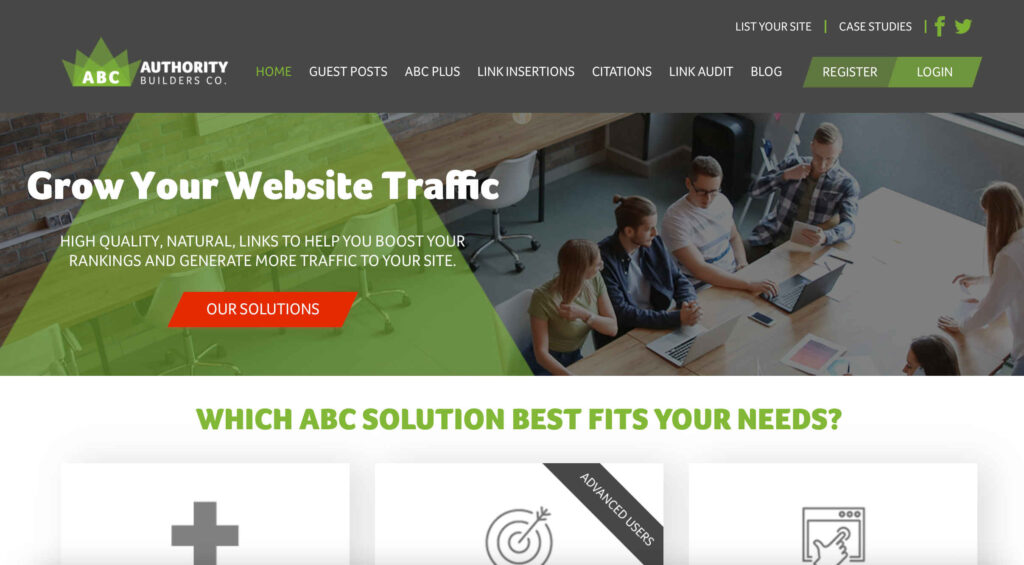
2.        Authority Builders

screen shot of authority builders

👉 https://authority.builders/

Authority Builders has been around for a while.

They built a large marketplace of vetted sites.

What stands out:

  • Strong filtering system for niches
  • Transparent metrics
  • Consistent delivery

From what I’ve seen in reviews and community feedback, it’s reliable.

How to use it:

  • Avoid choosing based only on DR
  • Check traffic using tools like Ahrefs
  • Stick to niche relevance

3.        The Hoth

screen shot of the hoth a service for buying backlinks

👉 https://www.thehoth.com/

The Hoth is one of the most well-known SEO brands.
They offer a wide range of options for buying backlinks.

What I like:

  • Easy ordering process
  • Scalable packages
  • Good for beginners

But keep expectations realistic.

You’ll still need to choose the right placements.

Even Google warns about low-quality link building practices in their documentation: Google’s link schemes guide


4.        Siege Media

👉 https://www.siegemedia.com/

Siege Media takes a different approach.

They focus on content-driven link building.

This means:

  • Creating content that earns links
  • Digital PR campaigns
  • Editorial placements

This aligns closely with what Google wants.

How I’d use them:

  1. Invest in one strong campaign
  2. Promote data-driven content

Let links come naturally This is slower.  But very strong long term.


5.        FatJoe

👉 https://fatjoe.com/

FatJoe is popular with agencies.

They offer white label backlink services.

What stands out:

  • Fast turnaround
  • Simple pricing
  • Wide service range

From what I’ve seen, results depend on how you use it.

Best approach:

  • Use for foundational links
  • Combine with higher quality placements
  • Don’t rely on it alone

Does Buying Backlinks Actually Work?

cluster of question marks representing if buying backlinks works

Most people get this wrong.

They focus on quantity.

But the data shows something different.

According to Ahrefs, fewer high-quality backlinks often outperform a large number of weak ones.

Here’s what you should focus on:

  • Sites that get real organic traffic
  • Pages that already rank
  • Content that fits naturally
  • Niche relevance

Simple. But not easy.


A Simple Backlink Strategy You Can Follow

a stratefy checklist for when someone buys backlinks

If you’re not sure how to get started with buying backlinks, here’s what I recommend.

Step 1. Build a base

  • Use a service like FatJoe for initial links
  • Get indexed and start building trust

Step 2. Add authority

  • Use Rankifyer or Authority Builders
  • Focus on high-quality placements

Step 3. Layer in content

  • Work with Siege Media or create assets
  • Earn natural backlinks over time

Step 4. Track results

  • Monitor rankings and traffic
  • Double down on what works

Final Thoughts

Buying backlinks can work, but only if you use them the right way.

You don’t need hundreds of links; you need the right links.

If you focus on real sites, real traffic, and real relevance, you’ll see results.

And if you want the simplest path to that, Rankifyer is a strong place to start.

Try a small batch, watch what happens, then scale from there.

Posted on

Best Link Building Services in 2026

featured image for article about the best link building services

If you’re serious about SEO in 2026, you already know this: links still move rankings.

This isn’t opinion. It’s backed by data.

A large-scale study by Backlinko found that pages ranking #1 in Google have 3.8x more backlinks than positions #2–#10. You can read it here: Backlinko Google ranking factors study

And Ahrefs reported that over 90% of pages get zero organic traffic, often because they have no backlinks: Ahrefs study on traffic distribution

So yes, links still matter. A lot.

The real question is which link building services are worth considering today.

I’ve spent time researching providers, reviewing case studies, and analyzing feedback from agencies and SEO professionals. Here’s a clear breakdown of some of the top options in 2026.


How to Choose the Right Link Building Service

man on laptop thinking how to choose the right link building service

Choosing between link building services comes down to understanding what actually drives results.

Here’s how I think about it.

1.          Check real traffic

Use tools like Ahrefs or SEMrush

  • Does the site get organic traffic?
  • Are pages actively ranking?

If a site has no visibility, the link will likely have limited impact.


2.          Look at relevance

Relevance plays a big role in how links are interpreted. Google highlights this in its guidance: Google helpful content system

A link from a relevant site tends to carry more weight than a general one.


3.          Prioritize natural placements

You want links that appear naturally within content.

Look for:

  • Contextual placements
  • Editorial-style articles
  • Logical anchor text usage

These signals align more closely with how search engines evaluate links.


4.          Focus on long-term value

One strong link can outperform multiple weaker ones.

Research from Search Engine Journal supports this idea: Link building guide


Top Rated Link Building Services Right Now

1.        Rankifyer

screen shot of rankifyer an agency that does link building services

👉 https://rankifyer.com/

I know recommending ourselves is bold, but here’s why Rankifyer stands out.

The focus is simple: placements on sites that actually rank and get traffic.

That’s important because not all links are equal. A link from a page with real visibility tends to carry more weight than one that exists only for metrics.

This aligns with guidance from Google around link quality and relevance: Google link spam policies

What makes Rankifyer different

  • Focus on real organic traffic, not just domain metrics
  • Contextual placements inside relevant content
  • Full handling from outreach to publishing
  • Dashboard tracking for transparency and scaling

From what I’ve seen and how the model is structured, it’s built around what actually influences rankings today.


2.        Authority Builders

screen shot of authority builders

👉 https://authority.builders/

Authority Builders is one of the more established names in the space.

Based on reviews and industry feedback, they are known for offering a curated list of websites and clear metrics.

What people like

  • Transparent domain data
  • Structured ordering system
  • Consistent delivery

This makes them a reliable option for agencies that want a predictable workflow.


3.        The Hoth

logo of the hoth a service known for link building

👉 https://www.thehoth.com/

The Hoth offers a broad range of SEO services, including link building.

From what I’ve seen across reviews and community discussions, they’re often used by businesses that want an all-in-one solution.

Common strengths mentioned

  • Wide service offering
  • Easy onboarding
  • Scalable solutions

They’re a good fit if you want link building combined with other SEO services.


4.        Siege Media

👉 https://www.siegemedia.com/

Siege Media focuses on earning links through high-quality content.

This approach aligns with what Moz teaches about building links through value: Moz link building guide

What stands out

  • Data-driven content strategies
  • Strong editorial placements
  • Focus on long-term authority

Based on case studies and public campaigns, this approach is often used by larger brands and SaaS companies.


5.        FatJoe

👉 https://fatjoe.com/

FatJoe is known for simplicity and scale.

From agency feedback and reviews, they are often used for straightforward guest post placements.

What people highlight

  • Fast turnaround times
  • Easy ordering process
  • Scalable for multiple clients

This makes them a practical option for agencies managing volume.


Final Thoughts

Most link building services can help you acquire links.

The difference is in how those links are sourced, placed, and whether they come from sites that actually have visibility.

That’s the lens I use when evaluating any provider.

Rankifyer is built around that principle, which is why I recommend it. At the same time, there are several strong options in the market depending on your goals and budget.

You don’t need a complicated strategy.

You just need links that make sense, appear naturally, and come from sites that matter.

Start there and build from it.

Posted on

Best Lead Generation Companies in 2026 (Top B2B Lead Providers)

featured image for an article and lead generation companies and providers

If you’re growing a B2B business in 2026, one thing becomes clear very quickly.

You need consistent access to decision-makers.

Cold outreach, sales calls, LinkedIn messaging, and email campaigns all depend on one thing first.

Leads.

That’s why lead generation companies exist. They help businesses access verified prospects without spending months building lists manually.

And the demand is massive.

According to research from HubSpot, most marketers say generating traffic and leads is their biggest challenge:
https://blog.hubspot.com/marketing/beginner-inbound-lead-generation-guide-ht

At the same time, Salesforce reports that B2B buyers complete about 70% of their buying process before talking to a sales rep:
https://www.salesforce.com/sales/state-of-sales/

So if you want to win deals, you need to reach prospects earlier.

That’s where strong B2B lead providers come in.

I’ve spent a lot of time analyzing lead list providers, prospecting tools, and data platforms. Below are the best lead generation companies in 2026, based on data quality, usability, and real-world sales performance.

Let’s get into it.


1.        Rankifyer

screen shot of rankifyer a popular lead generation company

https://rankifyer.com/buy-b2b-leads/

I know recommending ourselves is bold.

But there’s a reason Rankifyer deserves the #1 spot among lead generation companies.

Rankifyer focuses on something simple that most platforms overcomplicate.

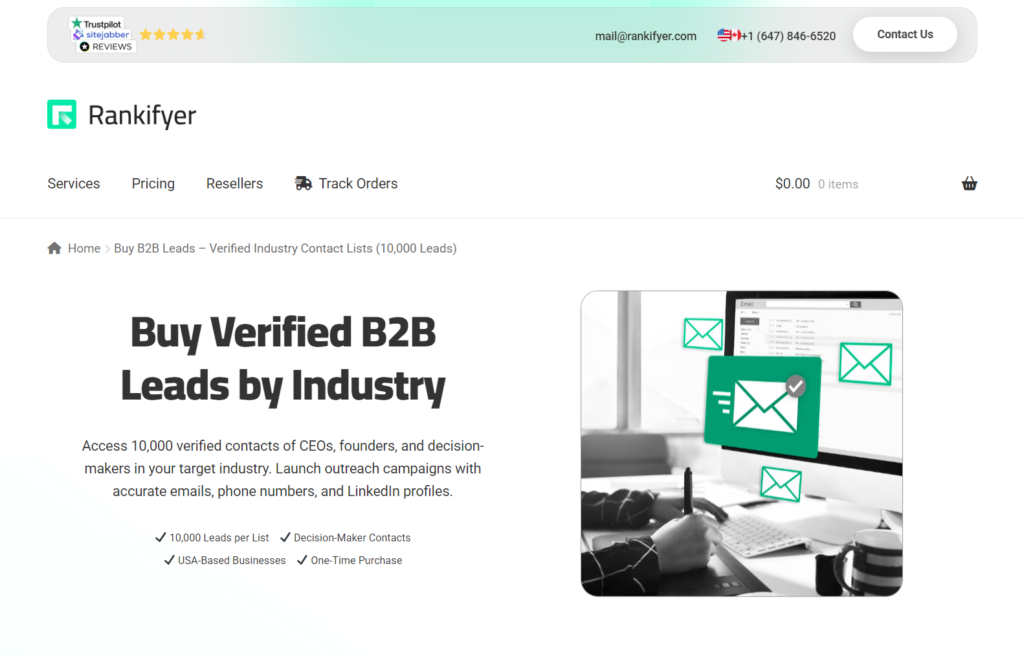
Rankifyer provides verified industry-specific lead lists. Instead of forcing you to run complex searches inside a SaaS tool, Rankifyer delivers ready-to-use lead databases built for outreach.

Each list includes 10,000 decision-maker contacts in a specific industry across the United States.

That means you get:

  • CEOs
  • Founders
  • Business owners
  • Company decision-makers

And each contact includes:

  • Verified email
  • Phone number
  • LinkedIn profile
  • Company name
  • Business address

These lists are built specifically for:

  • Cold email campaigns
  • Sales calls
  • LinkedIn outreach
  • Marketing campaigns

You choose the industry, checkout once, and get instant access to the list.

No subscriptions.

No complicated tools.

Just leads you can start contacting today.

If you want fast access to high-quality outreach lists, Rankifyer is easily one of the best B2B lead providers available right now.


2.        ZoomInfo

screen shot of zoominfo a leads provider

https://www.zoominfo.com

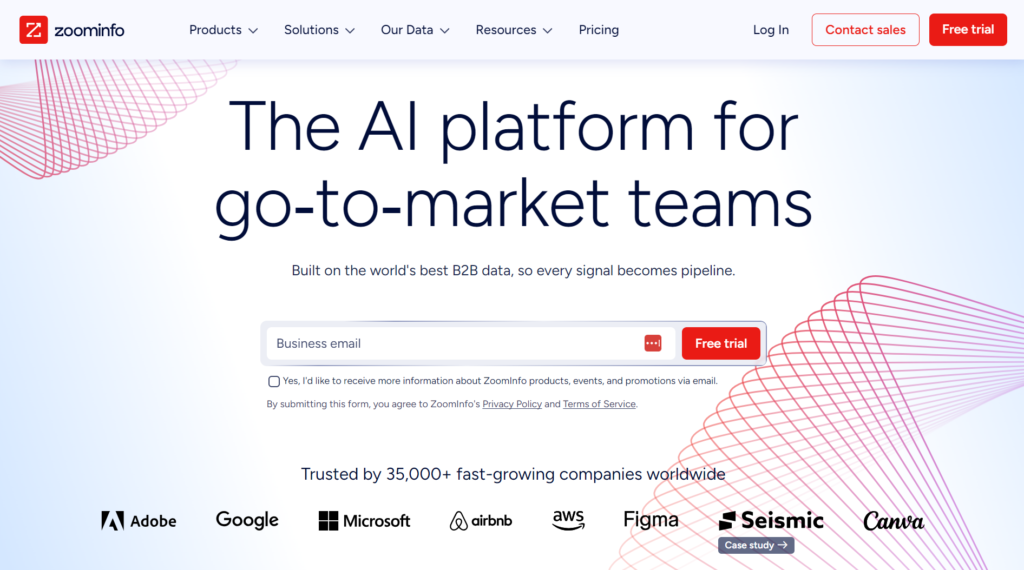
ZoomInfo is one of the biggest names in the lead generation companies space.

Their platform provides a massive B2B database with company intelligence and contact information.

Sales teams use it to:

  • Find prospects
  • Identify buying intent
  • Enrich CRM records
  • Run outbound prospecting

The platform is powerful but expensive.

It works best for large sales teams that want deep data integrations and advanced filtering.


3.        Apollo.io

image of apollo logo a lead generation company

https://www.apollo.io

Apollo has grown quickly over the last few years.

The platform combines lead data with outreach tools, making it attractive for startups and smaller sales teams.

Apollo provides:

  • B2B contact database
  • Email sequencing
  • Prospecting filters
  • CRM integrations

For many companies, Apollo works as both a prospecting platform and outbound sales tool.


4.        Cognism

https://www.cognism.com

Cognism focuses heavily on data compliance and phone-verified contacts.

That makes them especially popular with sales teams targeting international markets.

Their platform includes:

  • Verified B2B contact data
  • Intent data
  • Sales intelligence tools
  • CRM integrations

Cognism also emphasizes GDPR and global data compliance, which is important when selling into Europe.


5.        UpLead

https://www.uplead.com

UpLead is another strong option among modern B2B lead providers.

Their platform focuses on real-time email verification, which helps reduce bounce rates.

Key features include:

  • B2B contact database
  • Technographic data
  • Company filters
  • CRM integrations

For businesses that want a simple prospecting tool without a steep learning curve, UpLead is a solid option.


How to Choose the Right Lead Generation Company

photo of man on laptop performing lead generation

Not every lead generation company works for every business.

When I evaluate B2B lead providers, I focus on three things.

1.        Data accuracy

Bad data kills campaigns.

Research shows poor data quality costs organizations an average of $12.9 million per year.

Always prioritize providers that verify their contacts.


2.        Decision-maker access

The best leads are not random employees.

You want:

  • CEOs
  • Founders
  • Owners
  • Senior executives

Reaching the decision-maker shortens your sales cycle dramatically.


3.        Ease of use

Some lead generation platforms are extremely complex.

If your goal is outreach, simple lead lists can often work better.

Here’s what simplified lead generation looks like:

  1. You download the data.
  2. Launch your campaigns.
  3. Start conversations.

Final Thoughts

Lead generation is the fuel behind B2B sales.

Without consistent access to prospects, even the best sales teams struggle to grow.

That’s why smart companies rely on lead generation companies and B2B lead providers to scale outreach.

If you want a simple, fast way to start contacting decision-makers, Rankifyer is one of the strongest options available today.

You get verified contacts, targeted industries, and instant access to thousands of prospects ready for outreach.

And honestly, that’s what good lead generation should do.

It should make starting conversations easier.

Posted on

Buy Business Leads: Verified Contact Lists for Sales

featured image for an article about buying business leads

If you want more sales conversations, you need more conversations with the right people.

That sounds obvious. But most sales teams still waste time chasing the wrong prospects.

The fastest way around that problem is simple.

You buy business leads that are already verified and targeted.

Done right, this can fill your pipeline quickly and give your sales team thousands of qualified prospects to contact.

And the data backs this up.

According to research from HubSpot, 61% of marketers say generating traffic and leads is their biggest challenge.

Buying business leads is one of the simplest ways to solve that problem.

Let me walk you through how it works and how to do it correctly.


Why Companies Buy Business Leads

laptop screen showing someone emailing business leads

First, let’s talk about why this works.

Building a prospect list from scratch takes a huge amount of time.

You have to:

  • Find companies
  • Identify decision-makers
  • Locate email addresses
  • Verify contact data
  • Research phone numbers
  • Confirm LinkedIn profiles

And even then, your list might still be wrong.

According to research published by HubSpot, B2B data decays at a rate of about 30% per year because people change roles, companies close, and contact details shift. You can read the explanation here: https://www.hubspot.com/database-decay

That means if your list is not verified regularly, it becomes outdated quickly.

This is exactly why many companies now choose to buy verified business leads instead.

Instead of building lists manually, they start outreach immediately.


What Good Business Leads Actually Look Like

a blue email icon representing business leads

Not all lead lists are equal.

Some are scraped. Some are outdated. Some are full of generic contacts.

That will kill your outreach.

A high-quality business lead list should include several key data points.

For example:

  • CEO or decision-maker name
  • Verified email address
  • Direct phone number
  • LinkedIn profile
  • Company name
  • Industry
  • Business address

This lets your sales team run multiple outreach channels.

Cold email. Phone calls. LinkedIn. Direct marketing.

According to research from McKinsey, companies using multiple sales channels grow revenue faster than those relying on a single channel. The study is here: https://www.mckinsey.com/capabilities/growth-marketing-and-sales/our-insights/the-new-b2b-growth-equation

That is exactly why verified business lead lists are valuable.

They enable multi-channel outreach immediately.


Where to Buy Business Leads (Best Options)

man on laptop thinking where to buy business leads

Now let’s talk about where to actually buy business leads.

There are many providers, but only a few focus on ready-to-use lead lists for outreach.

Here are some of the most common options.

1.        Data Platforms (Expensive but powerful)

Platforms like LinkedIn Sales Navigator and ZoomInfo give you access to massive contact databases.

You search and export leads.

But these tools often cost thousands per year.

You can see LinkedIn’s sales platform here: https://business.linkedin.com/sales-solutions/sales-navigator

For small businesses, that price can be difficult to justify.


2.        Pre-Built Lead Lists (Fastest option)

This is where many companies start.

Instead of building lists manually, you purchase a ready-to-use lead list for a specific industry.

Then you start outreach immediately.

This is the fastest way to launch cold email campaigns.


3.        Rankifyer Lead Lists

screen shot of rankifyer a popular service for buying business leads

https://rankifyer.com/buy-b2b-leads/

I know recommending ourselves is bold.

But here’s why I still do it.

Rankifyer is one of the best places to buy business leads if you want ready-to-use outreach lists.

Rankifyer provides verified B2B lead lists with 10,000 decision-maker contacts in targeted industries across the United States.

Each list includes:

  • CEOs
  • founders
  • business owners
  • verified emails
  • phone numbers
  • LinkedIn profiles
  • company names
  • business addresses

These are the exact contacts sales teams want.

The lists are built for:

  • cold email campaigns
  • sales outreach
  • LinkedIn prospecting
  • marketing campaigns

You simply:

  1. Choose the industry you want
  2. Purchase the lead list
  3. Download the contacts instantly
  4. Start outreach immediately

It’s a simple one-time purchase, which many businesses prefer compared to expensive monthly data platforms.


How to Use Business Leads for Sales

Buying leads is only step one.

The real results come from how you use them.

Here’s a simple outreach framework that works well.

Step 1: Start with cold email

Cold email is one of the most effective ways to start conversations.

According to Campaign Monitor, the average email ROI is $42 for every $1 spent. You can see the data here: https://www.campaignmonitor.com/resources/guides/email-marketing-benchmarks/

Keep your email simple.

  • Short message
  • One clear offer
  • Personalized opening line

Step 2: Follow up with LinkedIn

Many prospects will not reply to the first email.

That is normal.

Follow up on LinkedIn.

Send a short connection request referencing your message.


Step 3: Add phone outreach

Phone calls still work surprisingly well.

Especially when combined with email outreach.

Research shows 82% of buyers accept meetings with sellers who proactively reach out. The report is here: https://www.outreach.io/resources/blog/what-is-a-sales-pipeline-how-to-build-a-strong-foundation

If your lead list includes phone numbers, this step becomes much easier.


Final Thoughts

Buying business leads is not a shortcut.

But it is a smart way to accelerate sales outreach.

Instead of spending weeks building prospect lists, you start with thousands of verified contacts.

And if you choose the right provider, your sales team can begin conversations the same day.

That is exactly why more companies now buy business leads instead of building them manually.

If you want the fastest way to start outreach, a verified lead list from Rankifyer is a strong option.

  1. Pick your industry.
  2. Download the contacts.
  3. Start reaching out.

It can be that simple.

Posted on

Buy Email Lists for Marketing Campaigns (2026 Guide)

Buying email lists is still one of the fastest ways to launch a marketing campaign.

But there is a right way to do it.

And there is a wrong way that burns domains, damages your sender reputation, and wastes money.

I have worked with many outreach campaigns over the years. When you buy email lists that are clean, verified, and targeted, the results can be strong.

Let me walk you through how this works in 2026.

And how to do it safely.


Why Businesses Still Buy Email Lists

man shrugging his shoulders wondering why buying email lists matters

Many marketers assume buying email lists stopped working.

That is not true.

Cold outreach still drives serious revenue when it is done properly.

According to a study by Campaign Monitor, email marketing generates an average ROI of $36 for every $1 spent:
https://www.campaignmonitor.com/resources/guides/email-marketing-benchmarks/

That is one of the highest returns in digital marketing.

Another report from HubSpot found that 87% of marketers say email marketing is critical to business success:
https://blog.hubspot.com/marketing/email-marketing-stats

So the opportunity is clear.

But you need one thing first.

You need contacts.

That is why many businesses choose to buy targeted lead lists instead of spending months building them manually.


The Benefits of Buying Email Lists

black laptop computer with someone doing email outreach

When done properly, buying a lead list saves a huge amount of time.

Instead of spending weeks prospecting, you can start outreach immediately.

Here is what you gain.

1.        Faster Campaign Launch

Building your own list can take weeks.

Buying one allows you to start outreach immediately.

This matters when you want to test messaging quickly or scale a campaign.

2.        Targeted Prospects

The best lead lists are filtered by industry, role, and location.

That means your emails reach the right people.

Decision makers.

Not interns.

3.        Lower Cost Than Paid Ads

Paid ads keep charging you forever.

A purchased list is usually a one-time investment you can use repeatedly in campaigns.


How to Buy Email Lists the Right Way

email icon representing email lists

If you want results, follow this process.

This is the same system many B2B sales teams use.

Step 1: Choose a Specific Industry

Broad targeting rarely works.

Narrow industries convert better.

Examples include:

  • SaaS companies
  • Marketing agencies
  • Staffing agencies
  • IT service companies

When your messaging speaks directly to one industry, response rates increase.

Step 2: Focus on Decision Makers

Not every contact matters.

You want people who can actually make purchasing decisions.

Look for titles like:

  • CEO
  • Founder
  • Owner
  • Director
  • VP

According to LinkedIn research, majority of B2B purchases involve decision makers at the executive level:
https://www.linkedin.com/business/marketing/blog/collective-conversation/b2b-group-buying-brand-trust

That is why targeting leadership matters.

Step 3: Make Sure Emails Are Verified

This step is critical.

Unverified lists destroy email deliverability.

Clean lists should include verification checks to reduce bounces.

According to Mailgun, a bounce rate above 2% can harm your sender reputation:
https://www.mailgun.com/blog/deliverability/email-bounces-what-to-do-about-them/

Always prioritize verified data.

Step 4: Personalize Your Outreach

Even when you buy email lists, personalization still matters.

Simple personalization increases response rates dramatically.

Examples include:

  • Mention the company name
  • Reference the industry
  • Speak to a problem they face

According to research from ElectroIQ, personalized email subject lines increase open rates by over 20%:
https://electroiq.com/stats/personalised-email-marketing-statistics/

Small changes can make a big difference.


One of the Best Places to Buy Email Lists

screen shot of rankifyer a popular site to buy email lists

Now let’s talk about where to actually get these lists.

I will be upfront here.

I recommend Rankifyer: https://rankifyer.com/

And yes, I know recommending ourselves is bold.

But there is a reason I stand behind it.

Rankifyer provides verified B2B lead lists with 10,000 decision-maker contacts in targeted industries across the United States.

Each list includes:

  • CEOs, founders, and business owners
  • Verified emails
  • Phone numbers
  • LinkedIn profiles
  • Company names
  • Business addresses

The goal is simple.

Give businesses direct access to decision makers so they can start outreach immediately.

You choose the industry you want.

Then you purchase the list once.

And you get instant access to 10,000 targeted contacts ready for marketing campaigns.

These lists are designed for:

  • Cold email outreach
  • Sales prospecting
  • LinkedIn campaigns
  • B2B marketing campaigns

Simple system.

One purchase.

Immediate data.


Final Thoughts on Buying Email Lists

Buying email lists is not a magic shortcut.

But it is one of the fastest ways to launch outbound marketing campaigns.

When done properly, it can produce serious ROI.

The key is simple.

Follow these rules:

  1. Target a specific industry
  2. Focus on decision makers
  3. Use verified email data
  4. Personalize your outreach

Do that consistently.

And you will quickly see why many B2B companies still rely on cold email outreach in 2026.

If you want a place to start, platforms like Rankifyer make it easy to get targeted lists and begin outreach right away.

Posted on

Buy iGaming Backlinks: Trusted Providers in 2026

featured image for article about buy igaming backlinks

If you want to rank in the iGaming niche today, you already know one thing.

Links still move the needle.

Google has said for years that links are one of the strongest ranking signals. In fact, a large industry study by Backlinko analyzed 11.8 million search results and found that pages ranking #1 in Google tend to have 3.8x more backlinks than positions #2–#10. You can see the research here:
https://backlinko.com/search-engine-ranking

I see the same pattern across casino, betting, and gambling sites.

The sites that win usually have two things:

  • strong content
  • strong backlinks

And in iGaming, earning links naturally is extremely slow. Most sites end up choosing to buy iGaming backlinks from trusted providers instead.

The key word there is trusted.

Bad links can waste your budget. Good links can move rankings within weeks.

So in this guide I’ll walk you through the providers I trust the most in 2026.


Why Backlinks Matter So Much in iGaming

man shrugging his shoulders wondering why igaming backlinks matter

The gambling niche is one of the most competitive verticals in SEO.

A study by Ahrefs found that 96.55% of pages get zero search traffic from Google. You can review the data here:
https://ahrefs.com/blog/search-traffic-study/

One of the biggest reasons is simple.

Most pages never earn backlinks.

Google also explains in their documentation that links help them discover pages and understand authority. You can read the official explanation here:
https://developers.google.com/search/docs/fundamentals/how-search-works

In practical terms this means:

  • The more high quality domains linking to you
  • The more authority Google assigns to your site
  • The easier it becomes to rank competitive keywords

This effect is even stronger in industries like:

  • casinos
  • sports betting
  • poker
  • crypto gambling

That is why serious operators often buy iGaming backlinks through outreach services that already have publisher relationships.


Top Providers to Buy iGaming Backlinks in 2026

Here are the providers I recommend most.

These companies specialize in outreach, niche placements, and links that actually help rankings.

1.        Rankifyer

screen shot of rankifyer an igaming backlink service

https://rankifyer.com

I know recommending ourselves is bold.

But here is why I genuinely believe Rankifyer is one of the best options if you want to buy iGaming backlinks.

First, the service was built specifically for high competition niches like casino, gambling, crypto, and finance.

Second, the focus is on real editorial placements, not PBNs or spam networks.

What makes Rankifyer different:

  • real outreach to publishers
  • niche relevant gambling sites
  • transparent link metrics
  • scalable campaigns for agencies and operators

We built the platform after seeing too many SEO services selling low quality links.

So the goal was simple.

Create a system that delivers links that actually move rankings.

If you’re serious about SEO in gambling, Rankifyer is one of the strongest options available today.


2.        Authority Builders

screen shot of authority builders

https://authority.builders

Authority Builders is a well known link marketplace in the SEO industry.

They provide access to a large network of publishers across many niches.

What they do well:

  • vetted websites with real traffic
  • transparent metrics
  • consistent placements

For iGaming you will need to filter carefully, but strong placements do exist inside their network.


3.        FATJOE

screen shot of fatjoe a service that offers igaming backlinks

https://fatjoe.com

FATJOE has been around for years and is widely used by agencies.

Their services include:

  • blogger outreach
  • guest post placements
  • niche edits

They work with thousands of publishers which makes them useful when you need volume.

However, like most large marketplaces, quality can vary. I recommend reviewing each domain carefully.


4.        Outreach Monks

https://outreachmonks.com

Outreach Monks focuses on manual outreach and relationship based placements.

Their strength is content driven guest posting.

Services include:

  • guest posts
  • niche edits
  • digital PR campaigns

For gambling SEO, they can sometimes secure placements on broader authority blogs which still pass strong link equity.


5.        Rhino Rank

https://rhinorank.io

Rhino Rank has built a reputation around simple and reliable link building.

Their core services include:

  • curated guest posts
  • niche edits
  • curated link placements

They are especially popular among affiliate marketers.

For iGaming sites, niche edits through existing articles can sometimes deliver faster ranking improvements.


How to Choose the Right Link Provider

cluttered question mark illustration cut outs representing how to choose igaming backlinks

Not all backlinks are equal.

Before you buy iGaming backlinks, I recommend checking a few things.

Look for these signals:

  • Real organic traffic using Ahrefs or Semrush
  • Relevant niches like gambling, finance, or tech
  • Real editorial articles instead of link farms
  • Domains with strong authority metrics

Google also stresses the importance of natural linking patterns in their spam policies here:
https://developers.google.com/search/docs/essentials/spam-policies

That means your links should appear naturally within content.

Not in obvious paid link pages.


Final Thoughts

Ranking in the iGaming industry is tough but the strategy itself is simple.

You need:

  • strong content
  • consistent backlinks
  • links from trusted sites

When those pieces come together, rankings start to move.

If you’re looking to buy iGaming backlinks, the providers above are some of the most reliable options available in 2026.

And if you have been doing SEO in iGaming for any amount of time, you already know how valuable that is.