

If you’re trying to figure out how to build backlinks, you’re asking the right question.
Backlinks are still one of the strongest ranking factors. In fact, a large-scale study by Backlinko found that pages ranking #1 in Google tend to have significantly more backlinks than lower positions.
But here’s what most beginners get wrong.
They chase links instead of building systems.
I’m going to walk you through this from beginner to advanced so you can actually get results.
Step 1: Understand What Makes a Good Backlink

Before you build anything, you need to know what matters.
Not all backlinks are equal.
Google has made this clear in their official documentation: Google Search Central link guidelines.
Here’s what actually moves rankings:
- Relevance: Is the linking site in your niche
- Authority: Does the site have real traffic and trust
- Placement: Is the link inside content, not a footer or sidebar
- Anchor text: Does the link context match your page
A study by Ahrefs also found that 91 percent of content gets zero traffic from Google, often because it has no backlinks.
So if your content isn’t ranking, it’s usually not a content problem.
It’s a link problem.
Step 2: Start With Easy Wins (Beginner Level)

You don’t need advanced tactics to get your first links.
Start simple.
1. Directory and profile links
These are not powerful, but they help you build a base.
Examples:
- Business directories
- Social profiles
- Industry listings
2. Reach out to people you already know
This is overlooked.
If you have:
- Friends with websites
- Clients
- Partners
Ask for a mention.
Simple message:
“Hey, would you be open to linking to this guide if it fits your content?”
3. Guest posting
Still works if done right.
According to HubSpot, guest blogging is one of the most common link building tactics used by marketers.
Focus on:
- Sites with real traffic
- Relevant audiences
- Content that actually adds value
Step 3: Build Links With Content (Intermediate Level)

Now we move into strategies that scale.
1. Create linkable assets
This is content people want to reference.
Examples:
- Data studies
- Guides
- Statistics pages
Why this works:
People need sources.
For example, bloggers constantly link to studies like HubSpot’s marketing statistics.
You can become that source in your niche.
2. Use the “skyscraper technique”
Popularized by Backlinko.
Process:
- Find content with lots of backlinks
- Create something better
- Reach out to sites linking to the original
You can find link opportunities using tools like Ahrefs or Semrush.
3. Broken link building
Simple but effective.
Steps:
- Find broken links on relevant websites
- Create or match content
- Ask them to replace the broken link with yours
This works because you’re helping them fix a problem.
Step 4: Outreach That Actually Gets Replies

Most people fail here.
Not because outreach doesn’t work, but because they overcomplicate it.
Keep it simple.
Here’s a structure that works:
- Short intro
- Clear reason for reaching out
- One simple ask
Example:
“Hey, saw you linked to X in your article. I have a more updated resource here. Thought it might be useful for your readers.”
That’s it.
No long paragraphs.
No over explaining.
Step 5: Scale With Systems (Advanced Level)

This is where things get serious.
If you want consistent rankings, you need consistency in links.
1. Build relationships with publishers
Instead of one-off outreach, build long-term connections.
Benefits:
- Faster placements
- Better sites
- More control
2. Use white label link building

If you run an agency or manage multiple sites, doing outreach yourself becomes a bottleneck.
This is where services come in.
I know recommending ourselves is bold but here’s why.
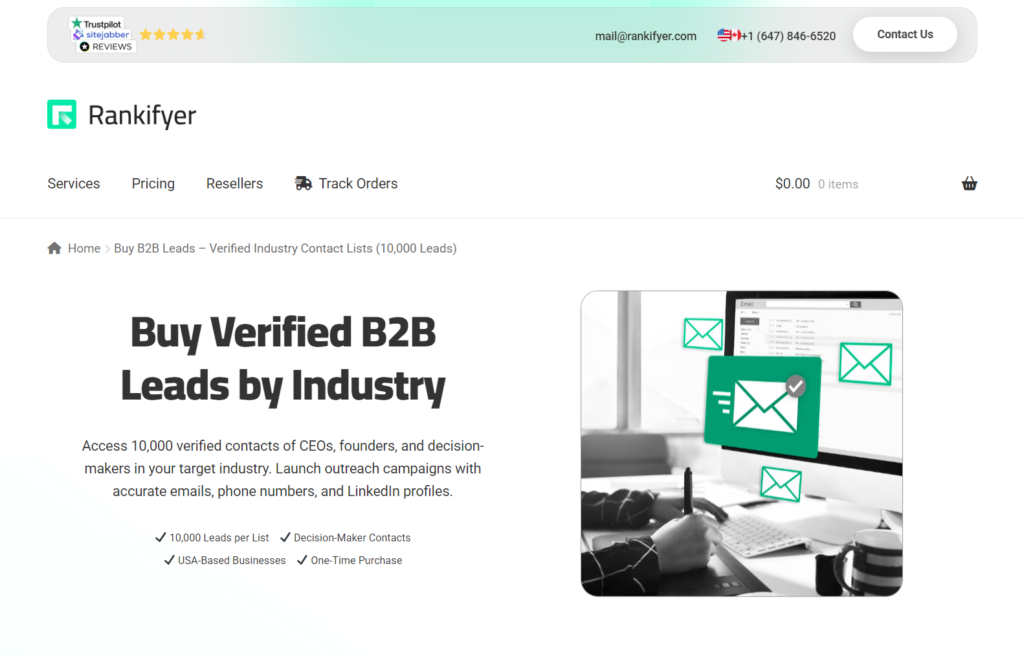
With Rankifyer, the focus is simple:
- Real websites with traffic
- Clean placements inside content
- Transparent tracking through a dashboard
You don’t deal with outreach, negotiations, or follow-ups.
You just order placements and deliver results.
That’s why many agencies use it to scale without hiring a full outreach team.
3. Track and double down
Not all links perform the same.
Track:
- Rankings
- Traffic
- Pages that respond best
Then do more of what works.
According to Google’s SEO starter guide, SEO is an ongoing process, not a one-time task.
Link building is the same.
Final Thoughts
Learning how to build backlinks is really about learning how to earn attention and trust online.
At the beginner level, that means getting the easy wins and building a solid base.
At the intermediate level, it means creating content worth citing and doing smart outreach.
At the advanced level, it means building repeatable systems that keep bringing in links over time.
That is the real shift.
You stop treating link building like a one-time task and start treating it like part of your growth strategy.

Will is an SEO specialist with 10+ years of experience in link building, content marketing, and digital growth. He’s led strategies for agencies, startups, and SaaS brands.